Customs Platform 2026: Consolidating efforts of the Government, business and international partners for Ukraine’s European integration
-
About Ministry
- Recruitment
-
Accountable agencies
-
State Enterprises and Institutions Belonging to the Sphere of Management of the Ministry
- State enterprise "Management for the operation of the property complex"
- SERVICE AND PUBLISHING CENTR
- Central Treasury sample control enterprise
- Eastern state-owned enterprise of sampling control
- Western state-owned enterprise screening control
- Southern state enterprise of sampling control
- Dnipropetrovsk state-owned enterprise of sampling control
- State enterprise Kyiv offset factory
- State Service for Financial Monitoring
- State Treasury
- The State Audit Service of Ukraine
- State Tax Service of Ukraine
- State Customs Service of Ukraine
- Personnel Audit Procedures of State Customs Service
- State Tax University
-
State Enterprises and Institutions Belonging to the Sphere of Management of the Ministry
- Minfin Panel
-
Policy Issues
- Budget policy
- Tax Policy
-
Customs Policy
-
Integration of customs legislation into EU law
- Direct and indirect customs representation: possible scenarios for declaring goods and the role of a customs broker
- Customs representative and customs holder: who submits and signs documents
- Confirmation of the reliability of credentials for obtaining authorizations
- Authorization to carry out customs brokerage activities
- Integration of customs IT systems to MASP-C
-
Integration of customs legislation into EU law
-
Accounting and Auditing
-
Accounting
-
Introduction of International Financial Reporting Standards
- Translation of International Financial Reporting Standards 2025
- Translation of international financial reporting standards of 2024
- Translation of international financial reporting standards of 2023
- Archive of translations
- Taxonomy
- Translation of technical publications
- General Clarifications (filled in after the preparation of the relevant letters of explanation)
- Accounting in Private Sector
- Accounting in the Public Sector
- Methodological Accounting Council under the Ministry of Finance of Ukraine (download a short description)
- IFRS Council under the Ministry of Finance of Ukraine (download a short description)
-
Introduction of International Financial Reporting Standards
- Auditing
- Sustainability reporting
-
Accounting
-
Debt policy
- Overview
- Debt News
- Debt Statistics
- Domestic Bonds
- Primary Dealers
- Eurobonds
- Credit Rating
- Investor Relations
- DMO Awards
- Anti-money laundering policy (AML)
- Financial Policy
- National revenue strategy
-
International Cooperation
-
Partners
- EU
- International Monetary Fund
-
Cooperation in Attracting Financing from the International Financial Institutions
- Development Bank of the Council of Europe
- Procedure for attracting funds of International Financial Institutions
- World Bank
- EBRD
- EIB
- Deutsche Gesellschaft für Internationale Zusammenarbeit (GIZ) GmbH
- KFW
- Register of Joint IFIs Projects at the Stage of Preparation and Implementation (information)
- International Technical Assistance (within the competence of the Ministry of Finance)
- Monitoring of international technical assistance projects
- Cooperation with the Development Partners
- Ukraine Donor Platform
-
Partners
- International Tax Relations
- Development of Public Internal Financial Control (PIFC)
-
Public investment management
- Regulatory documents
- Implementation of the roadmap for reforming the management of public investments
- Interdepartmental Commission on the Distribution of Public Investments
- Unified portfolio of public investment projects (list of priority public investment projects)
- Interdepartmental working group on reforming the public investment management system
- Reference information
-
Other Areas of Public Policy
- Internal Audit
- Audit Committee of the Ministry of Finance of Ukraine
- Scientific and scientific and technical activity
- Reform Support Team at the Ministry of Finance of Ukraine
- Verification of State Social Payments
-
Fiscal Risks Managament
- Clarifications
- Legislation on Fiscal Risks Management
- List of Economic Entities with which Major Fiscal Risks May Be Related
- Reports
- List of business entities to which the Ministry of Finance approves proposals for individual financial indicators for the planning period, as well as proposals for maximum thresholds for the volume of capital investments
- Operations with precious stones and metals
- Licensing
- Public Finance Management Strategy (PFMS)
- Strategic Plan
-
Key Spending Unit - Ministry of Finance
- Budget Requests
- Passports of Budget Programs
- Evaluation of the Effectiveness of Budget Programs
- Procurement Reports
- Reports on the implementation of public investment projects
- Budget Information
- Information on the effectiveness of the use of public funds
- The structure and volume of budget funds under budget programs
- Cash Management
- Programs
-
Legislation
-
Regulatory Activity
- Regulatory Performance Tracking Reports 2026
- Activity plan of the Ministry of Finance of Ukraine for the preparation of draft regulatory acts in 2026.
- Schedule of measures in 2026 to track the effectiveness of regulatory acts of the Ministry of Finance of Ukraine
- Reports on tracking the effectiveness of regulatory acts in 2025.
- Activity plan of the Ministry of Finance of Ukraine for project preparation regulatory acts in 2025
- Plan-schedule of implementation of measures in 2025 regarding performance tracking regulatory acts of the Ministry of Finance of Ukraine
- reports_on_the_effectiveness_of_regulatory_acts_2024
- The activity plan for the preparation of the regulatory acts draft 2024
- Schedule of measures to monitor the effectiveness of regulatory acts 2024
- reports_on_the_effectiveness_of_regulatory_acts_2023
- The activity plan for the preparation of the regulatory acts draft 2022
- Schedule of measures to monitor the effectiveness of regulatory acts 2023
- Reports on the effectiveness of regulatory acts 2022
- The activity plan for the preparation of the regulatory acts draft 2022
- Schedule of measures to monitor the effectiveness of regulatory acts 2022
- Reports on the effectiveness of regulatory acts 2020
- The activity plan for the preparation of the regulatory acts draft 2021
- Schedule of measures to monitor the effectiveness of regulatory acts 2021
- Reports on the effectiveness of regulatory acts 2020
- The activity plan for the preparation of the regulatory acts draft 2020
- Schedule of measures to monitor the effectiveness of regulatory acts 2020
- Reports on the effectiveness of regulatory acts 2019
- The activity plan for the preparation of the regulatory acts draft 2019
- Schedule of measures to monitor the effectiveness of regulatory acts 2019
- Reports on the effectiveness of regulatory acts 2018
- The activity plan for the preparation of the regulatory acts draft 2018
- Schedule of measures to monitor the effectiveness of regulatory acts 2018
- Reports on the effectiveness of regulatory acts 2017
- The activity plan for the preparation of the regulatory acts draft 2017
- Schedule of measures to monitor the effectiveness of regulatory acts 2017
- Reports on the effectiveness of regulatory acts 2016
- The activity plan for the preparation of the regulatory acts draft 2016
- Schedule of measures to monitor the effectiveness of regulatory acts 2016
- Reports on the effectiveness of regulatory acts 2015
- The activity plan for the preparation of the regulatory acts draft 2015
-
Draft Regulatory Acts Discussion
- Draft regulatory acts for discussion in 2026
- Draft regulatory acts for discussion in 2025.
- Regulatory acts draft for discussion 2024
- Regulatory acts draft for discussion 2023
- Regulatory acts draft for discussion 2022
- Regulatory acts draft for discussion 2021
- Regulatory acts draft for discussion 2020
- Regulatory acts draft for discussion 2019
- Regulatory acts draft for discussion 2018
- Regulatory acts draft for discussion 2017
- Regulatory acts draft for discussion 2016
- Regulatory acts draft for discussion 2015
-
Draft Legislation
- Draft regulatory legal acts in 2026
- Draft normative legal acts in 2025.
- Legal acts drafts 2024
- Legal acts drafts 2023
- Legal acts drafts 2022
- Legal acts drafts 2021
- Legal acts drafts 2020
- Legal acts drafts 2019
- Legal acts drafts 2018
- Legal acts drafts 2017
- Legal acts drafts 2016
- Legal acts drafts 2015
-
Regulatory Activity
-
Data
- Cooperation with Civil Society
- Press Center
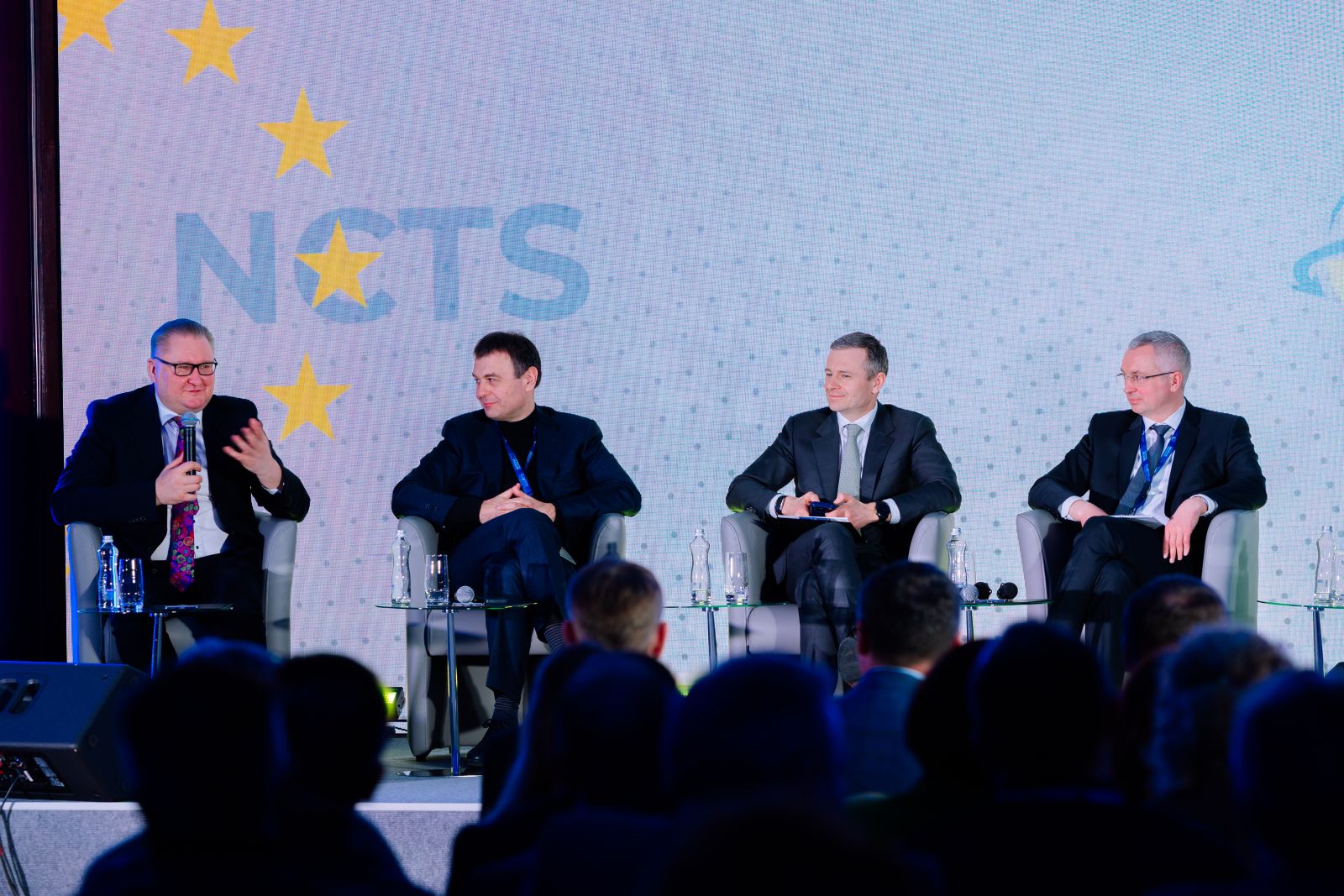
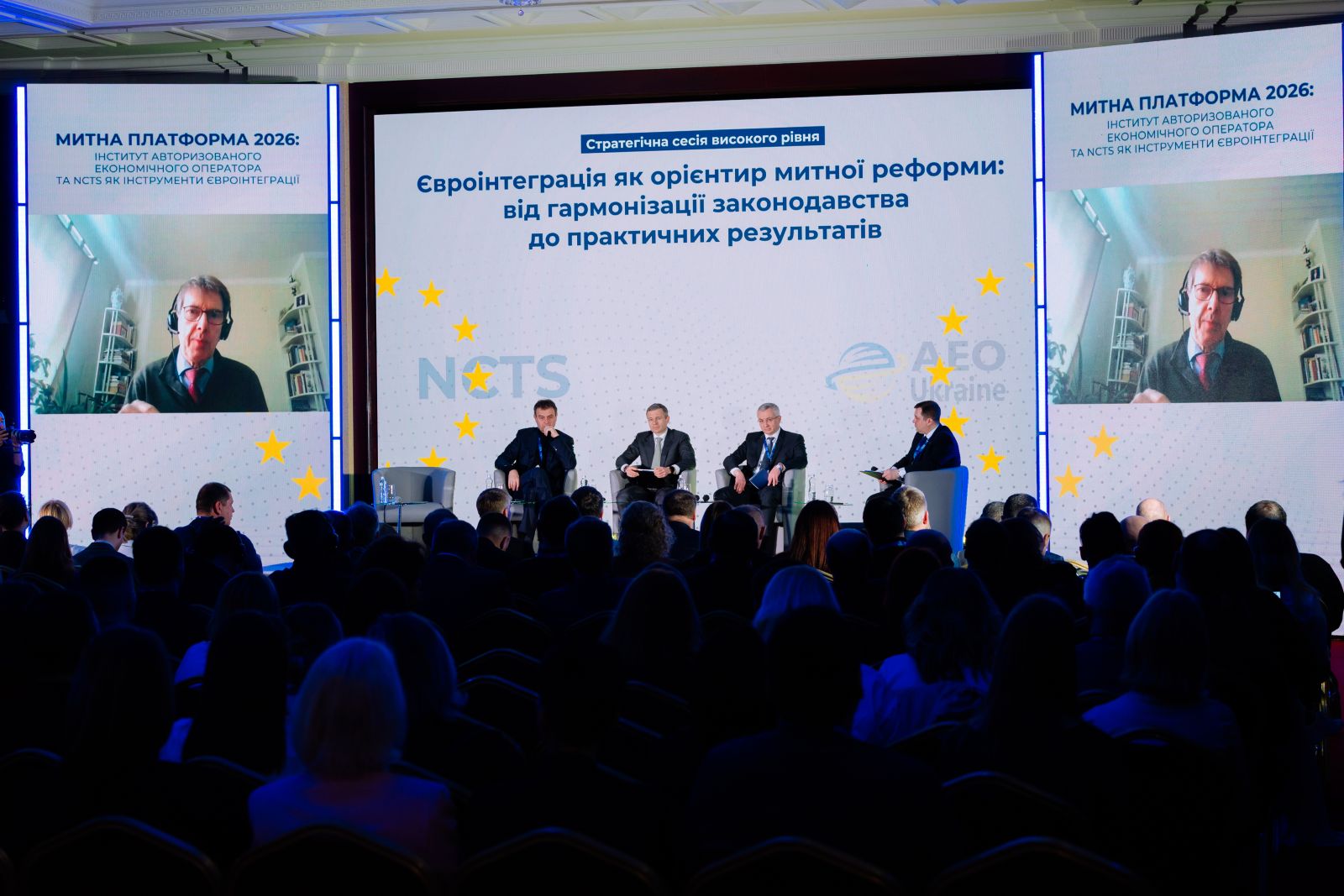
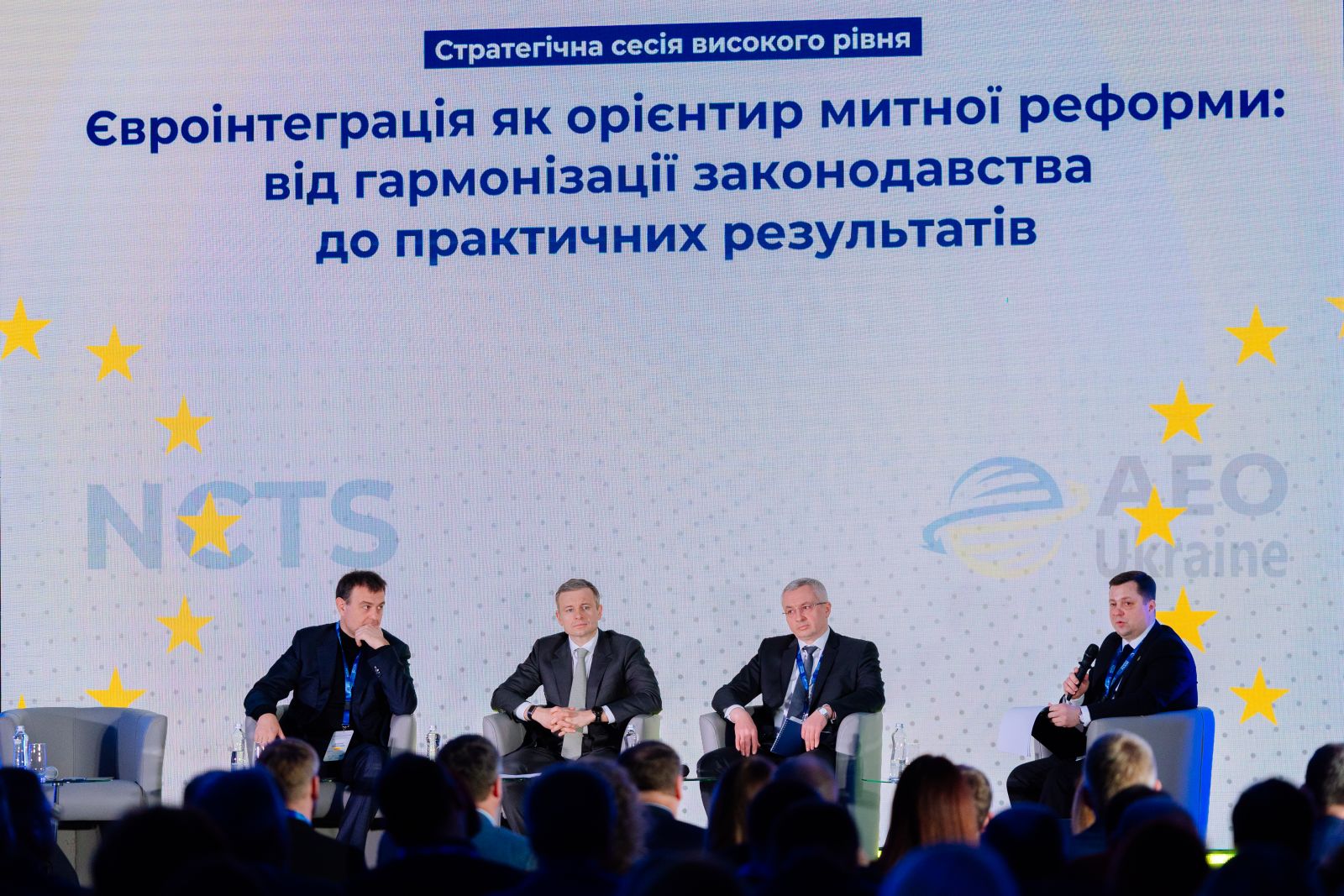
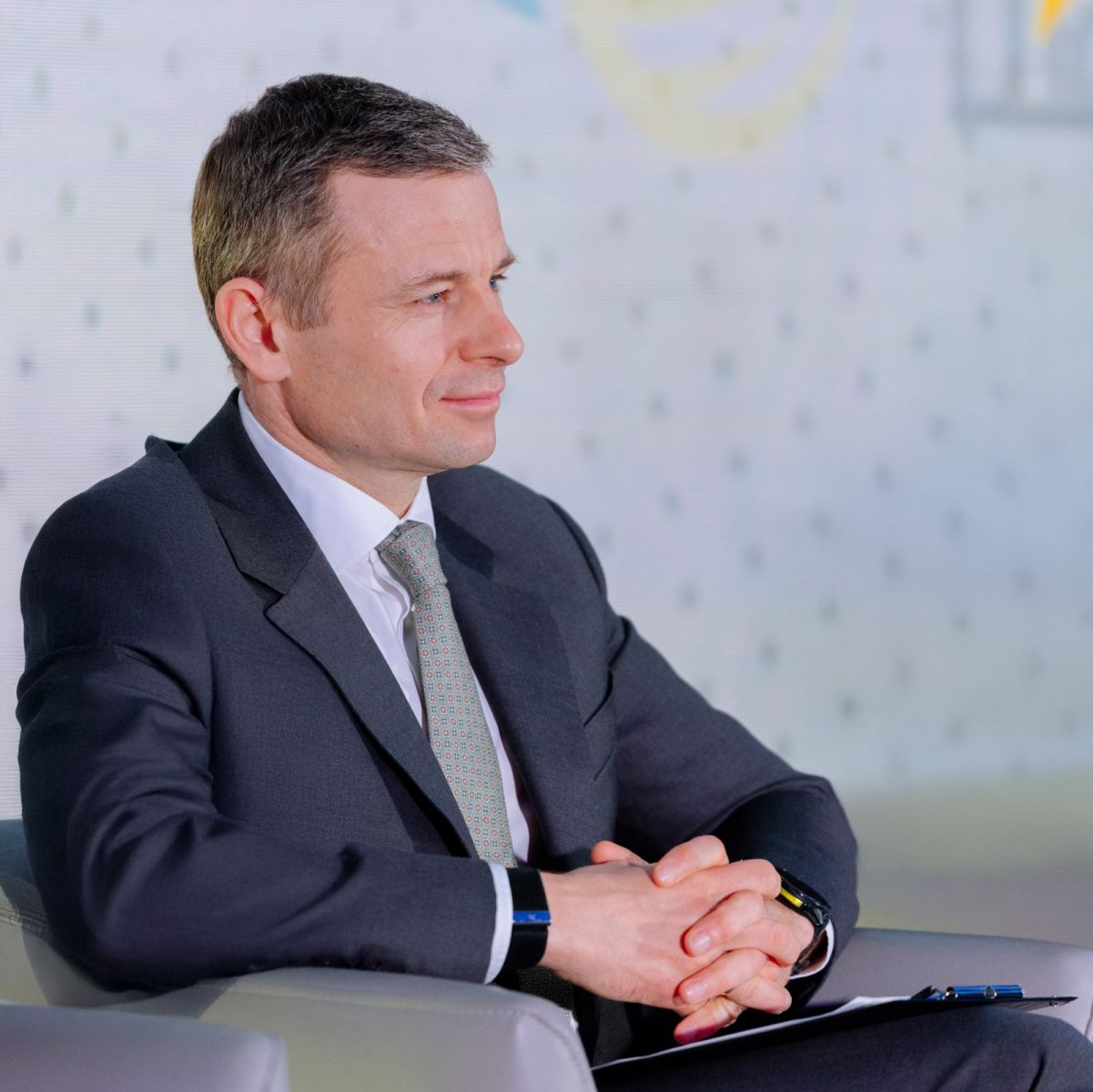
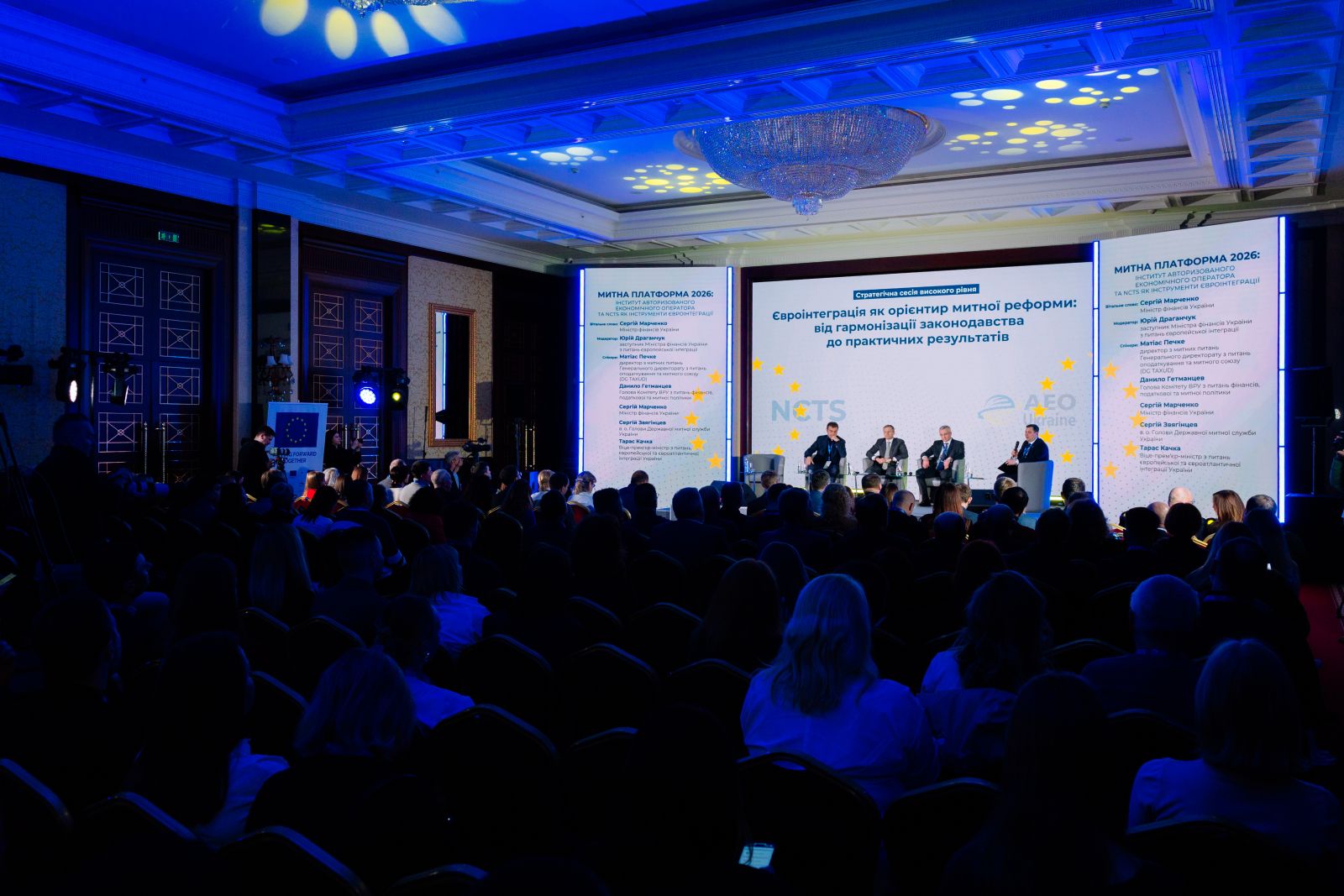
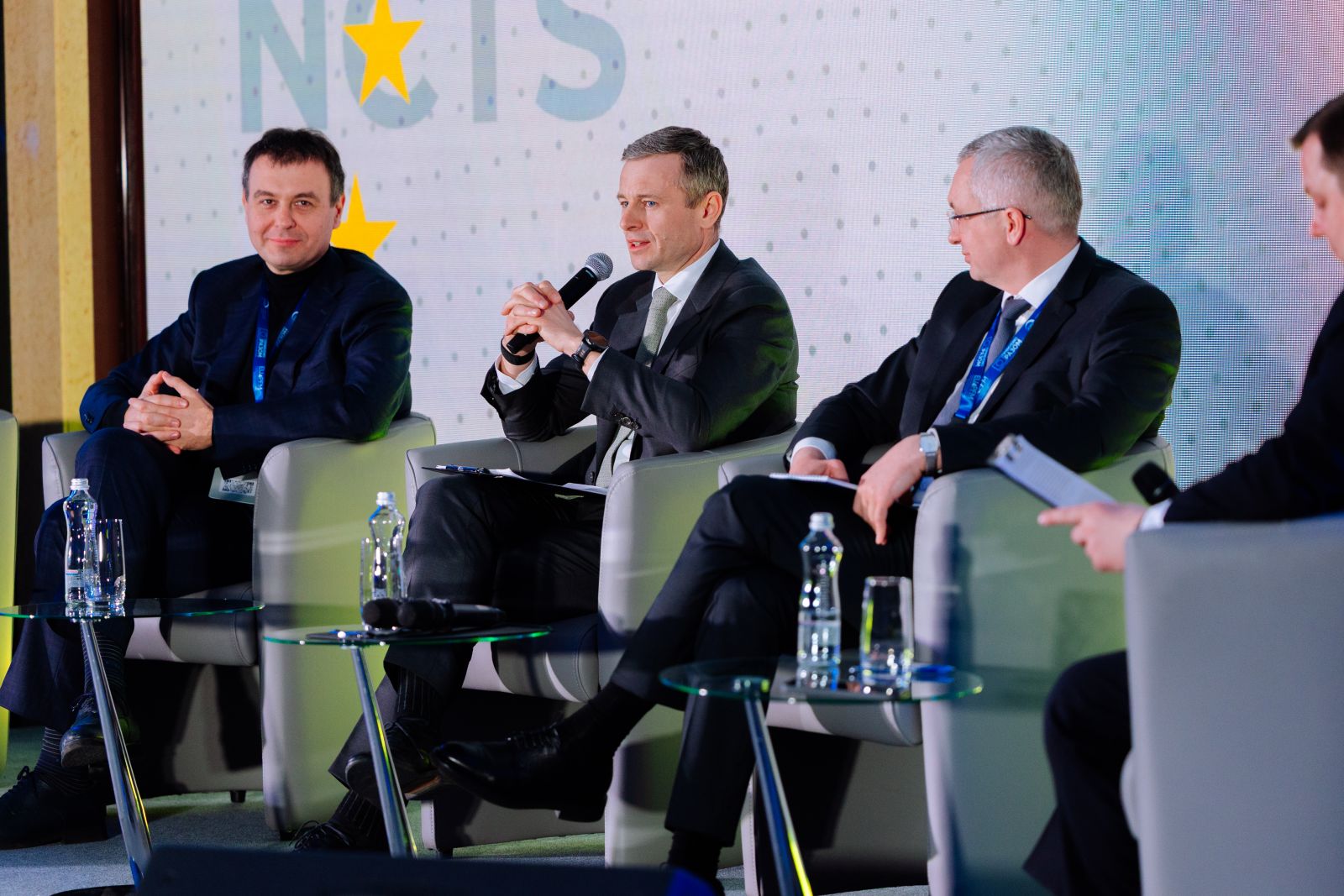
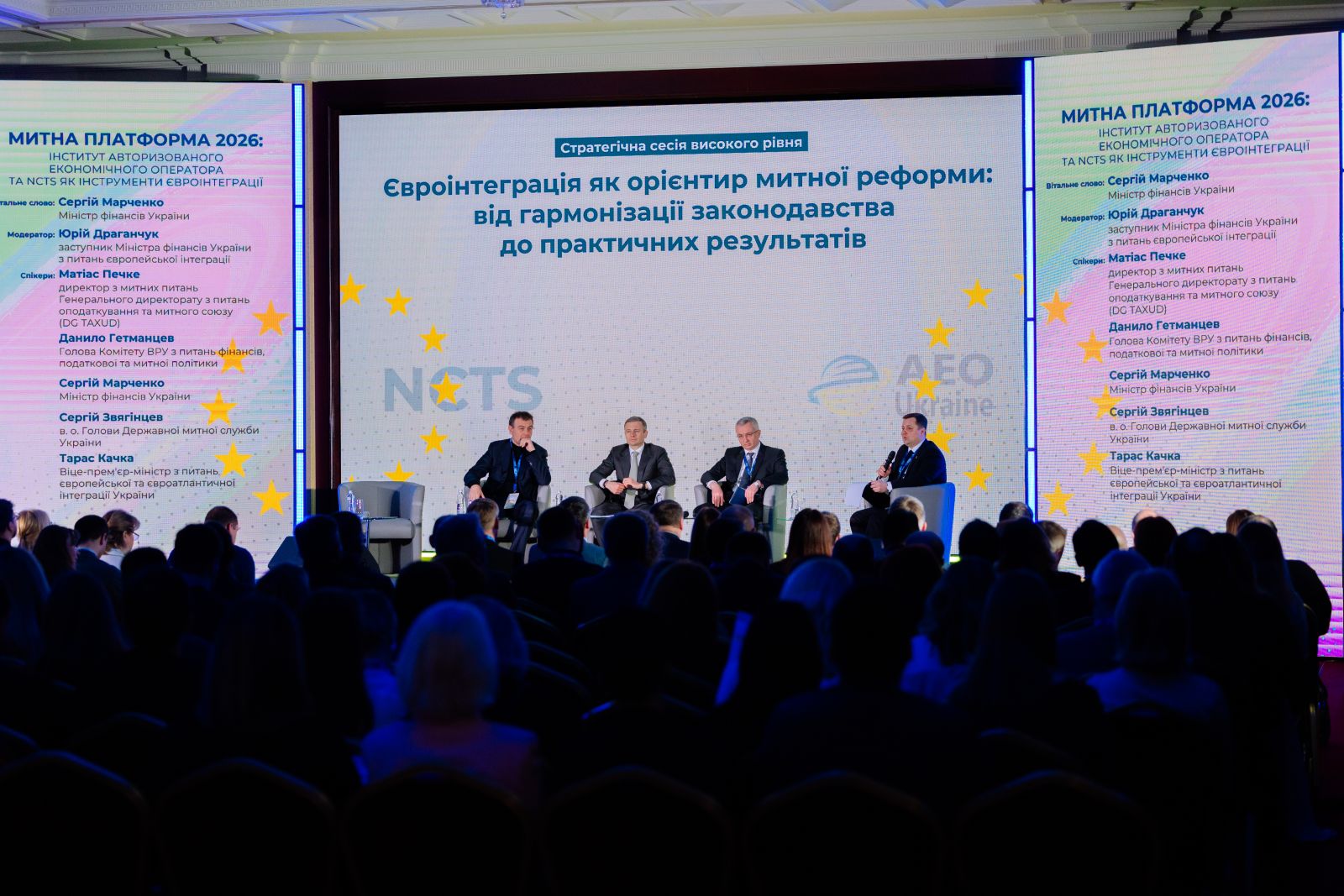
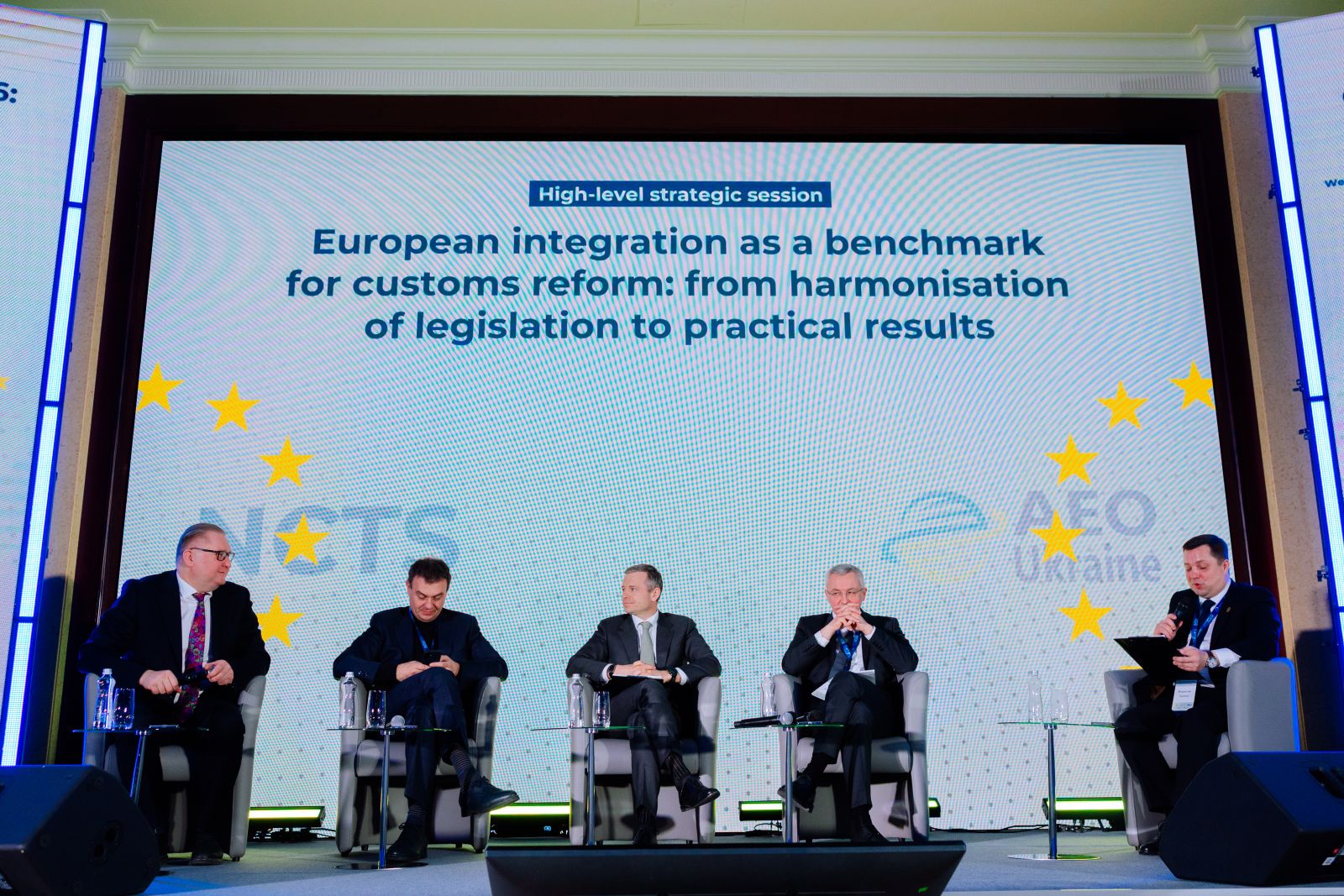
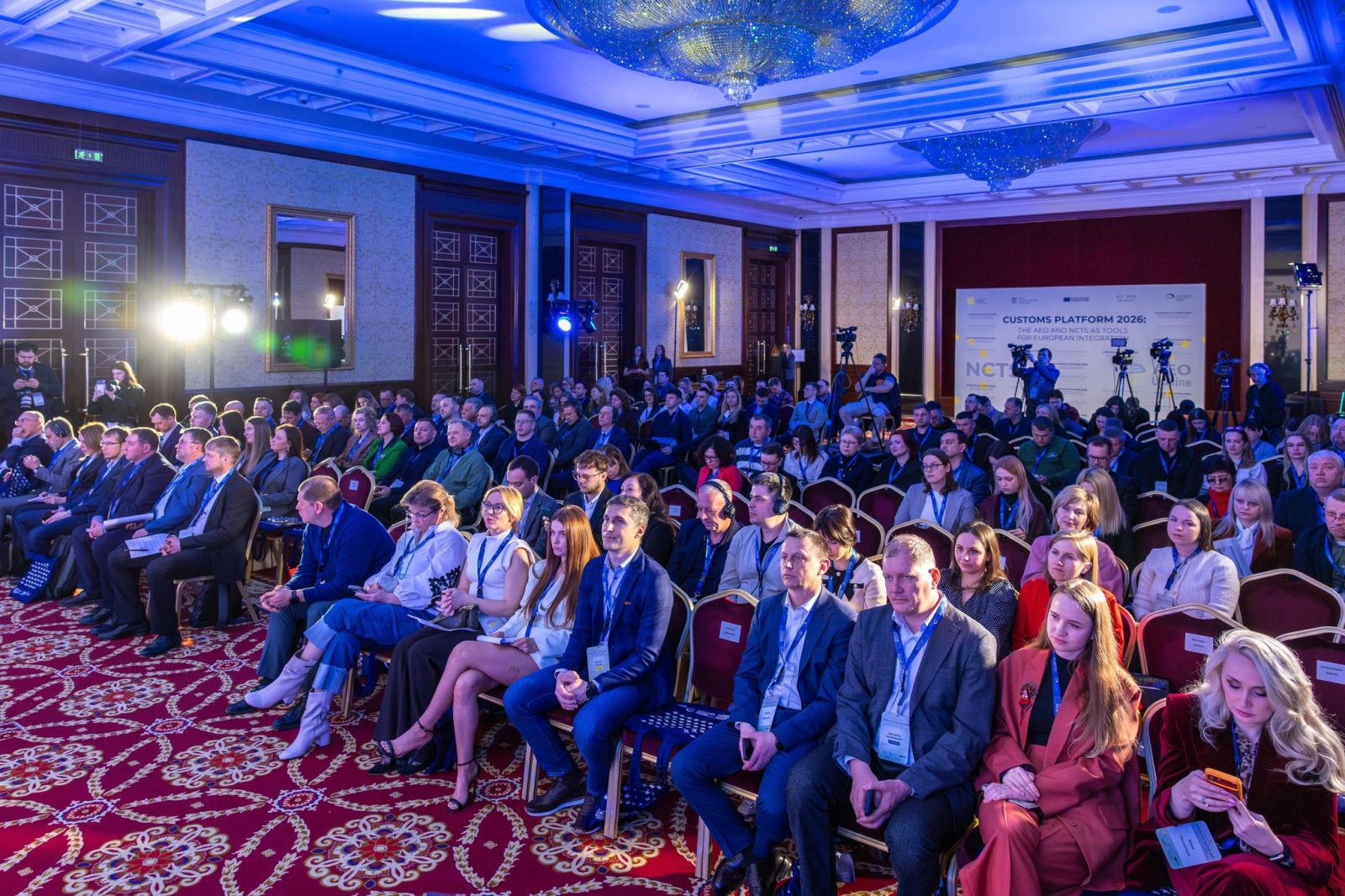
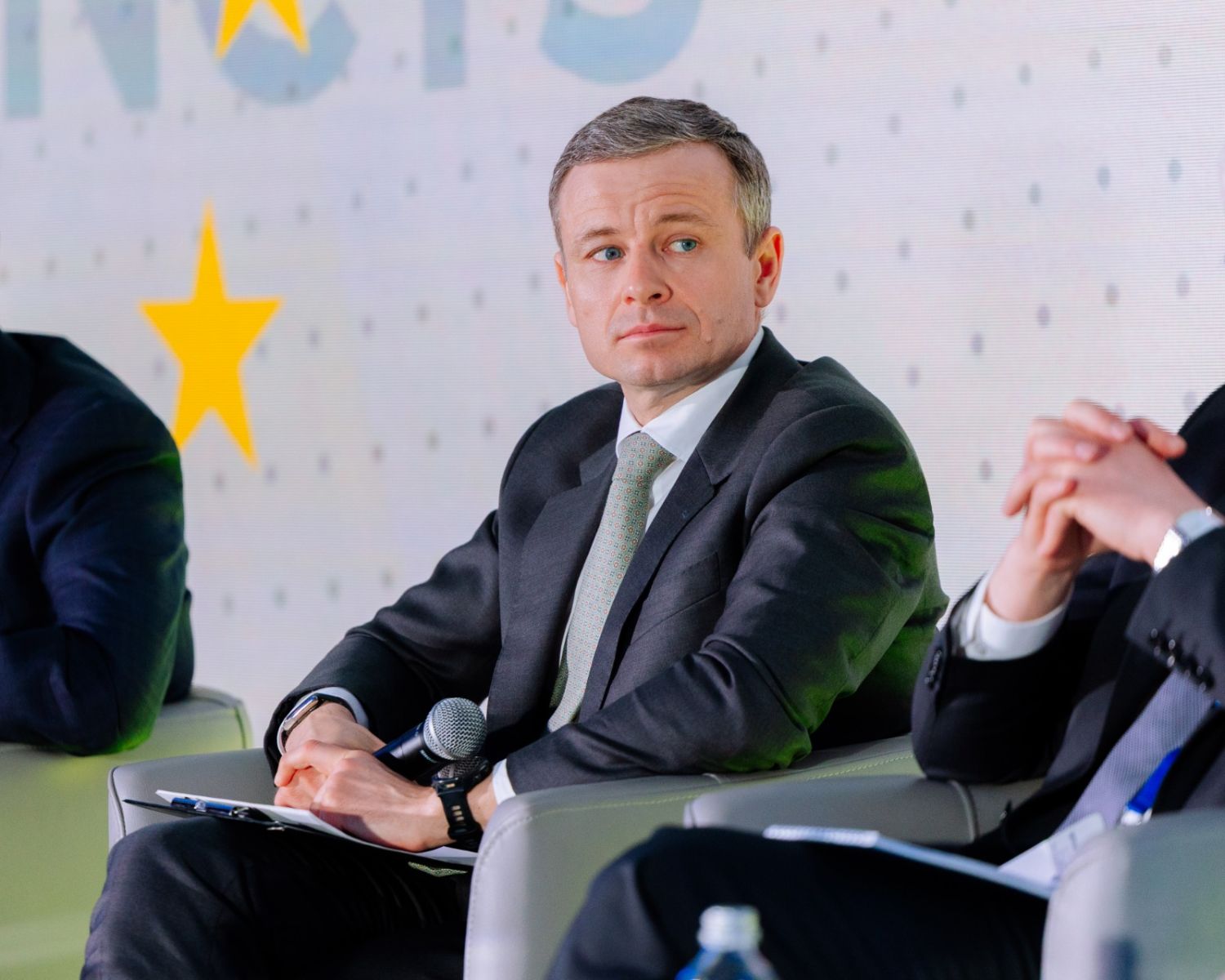
European integration reforms remain an unconditional priority for the Government, in particular the Ministry of Finance, as well as the relevant parliamentary committee. A key focus is the modernisation of customs to prepare both the state and businesses to operate under EU rules from day one of membership. This was emphasised by the Minister of Finance of Ukraine Sergii Marchenko during the high-level strategic session of the event “Customs Platform 2026: The AEO and NCTS as tools for European integration” on March 19, 2026.
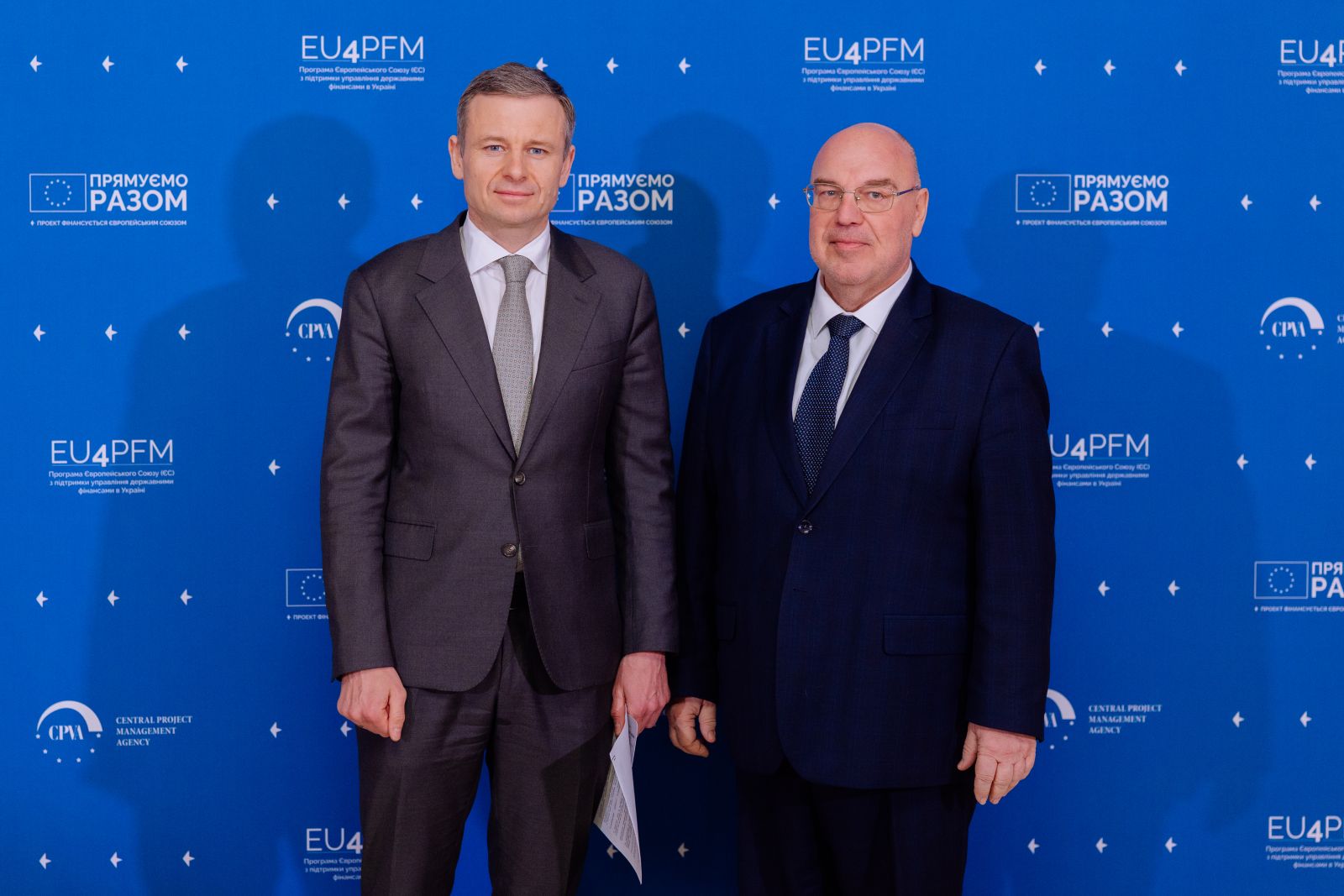
“The European Commission has for the third consecutive year highly assessed the dynamics of our reforms. Chapter 29 ‘Customs Union’ consistently receives one of the highest ratings, and the level of implementation of commitments in the customs area has already reached 96%. This is the result of systematic work on legislative harmonisation and the development of digital customs compatible with EU systems. We are creating conditions under which Ukrainian businesses will be able to fully benefit from the European Single Market,” Sergii Marchenko stressed, expressing gratitude for cooperation to the State Customs Service, as well as to international partners – the European Commission, the Delegation of the European Union to Ukraine, the EU4PFM programme and the Reform Support Team at the Ministry of Finance.
The high-level strategic session was also attended by Deputy Prime Minister for European and Euro-Atlantic Integration of Ukraine Taras Kachka, Chairperson of the Verkhovna Rada Committee on Finance, Taxation and Customs Policy Danylo Hetmantsev, Acting Head of the State Customs Service Serhii Zviahintsev. The European Commission was represented by Matthias Petschke, Director Customs, DG TAXUD.
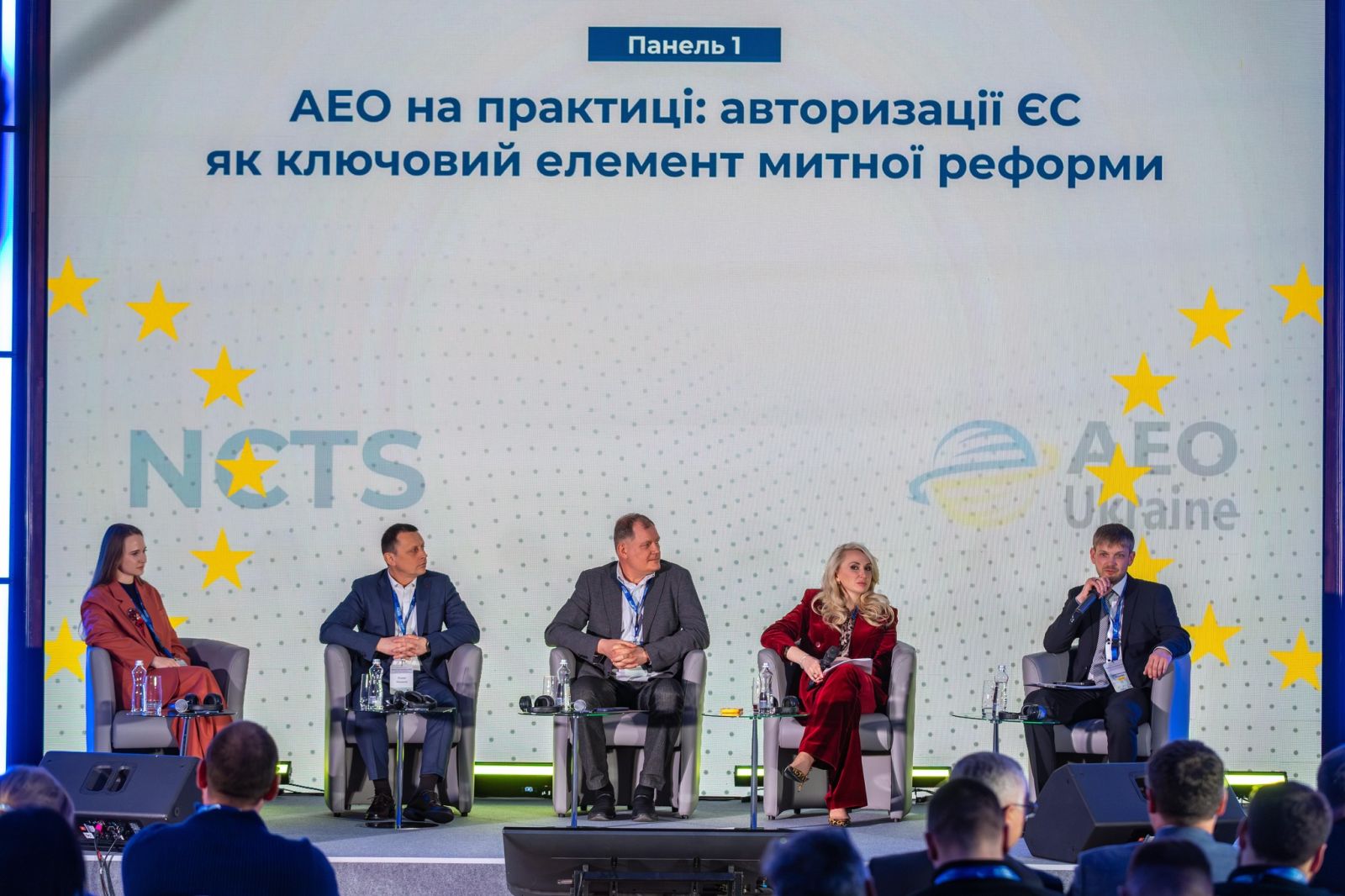
The Minister of Finance focused in detail on practical tools for integrating Ukrainian customs into the EU customs area. He noted that the Authorised Economic Operator (AEO) programme, which has marked its fifth anniversary, demonstrates positive dynamics: currently, 117 companies have obtained this status. He encouraged businesses to more actively apply for AEO-B authorisations (security and safety), as this will enable the conclusion of the Agreement on mutual recognition of AEO statuses with the EU.
Another important element of the reform is the system of customs simplifications: nearly 300 companies have received more than 1,100 authorisations for simplifications, including transit simplifications.
Particular attention was paid to the operation of the “customs visa-free regime” for business (NCTS). Sergii Marchenko noted that since Ukraine’s accession to the Convention on a Common Transit Procedure in October 2022, nearly 280,000 declarations have been processed in Ukraine, with a monthly figure reaching 15,000.
Regarding next steps, Sergii Marchenko stated that the draft of the new Customs Code of Ukraine is expected to be finalised by the end of March. The draft has received an overall positive assessment from the European Commission. In addition, since September 2025, active consultations have been ongoing with civil society organisations and business associations regarding the text of the draft (more than 60 meetings have been held). Following Government approval, the document will be submitted to the Verkhovna Rada.
Participants of the strategic session discussed the role of customs transformations in preparing Ukraine for EU membership. Particular attention was paid to the adaptation of legislation to EU acquis, institutional development of the customs system, and practical implementation of the adopted reforms.
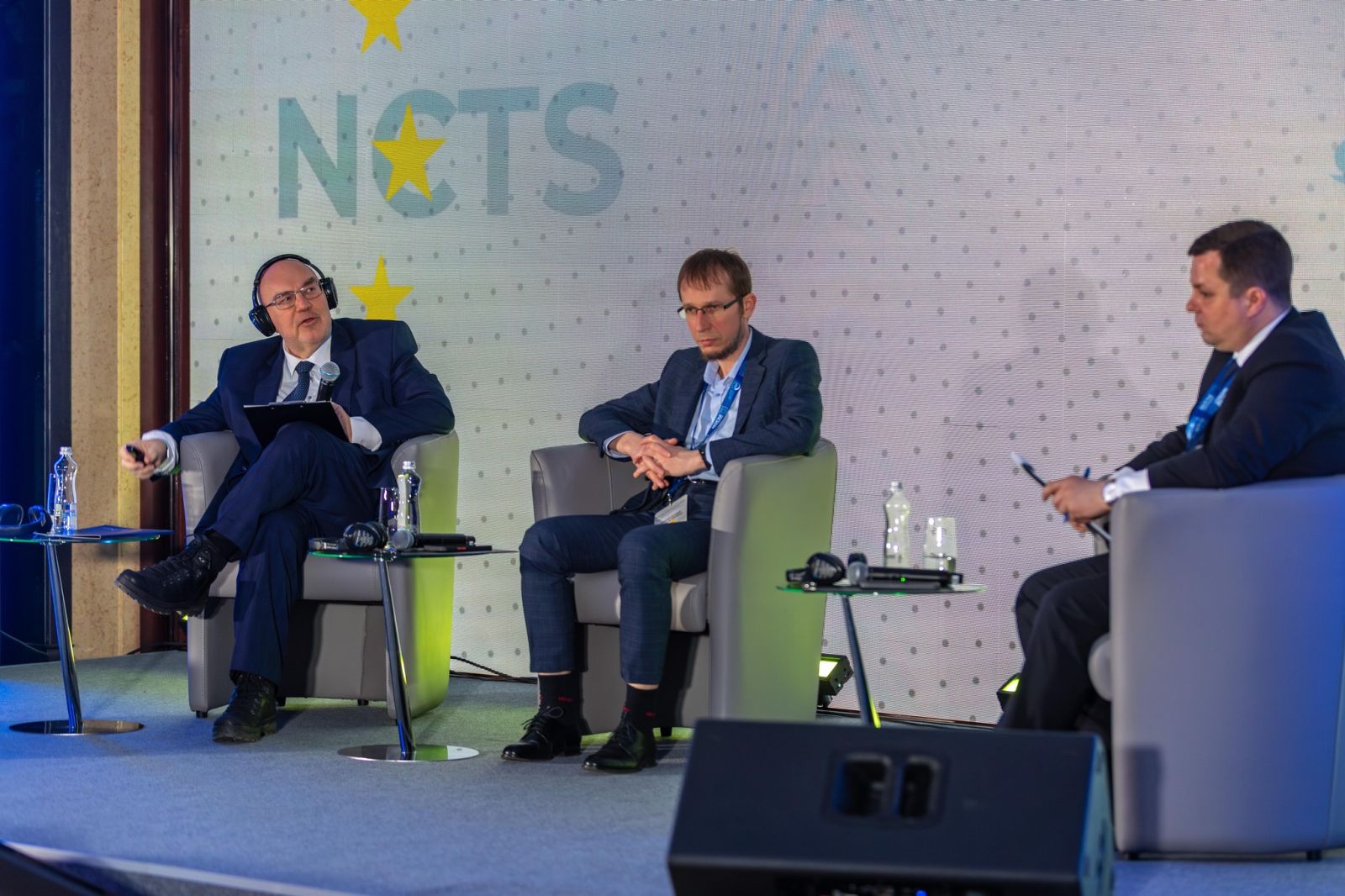
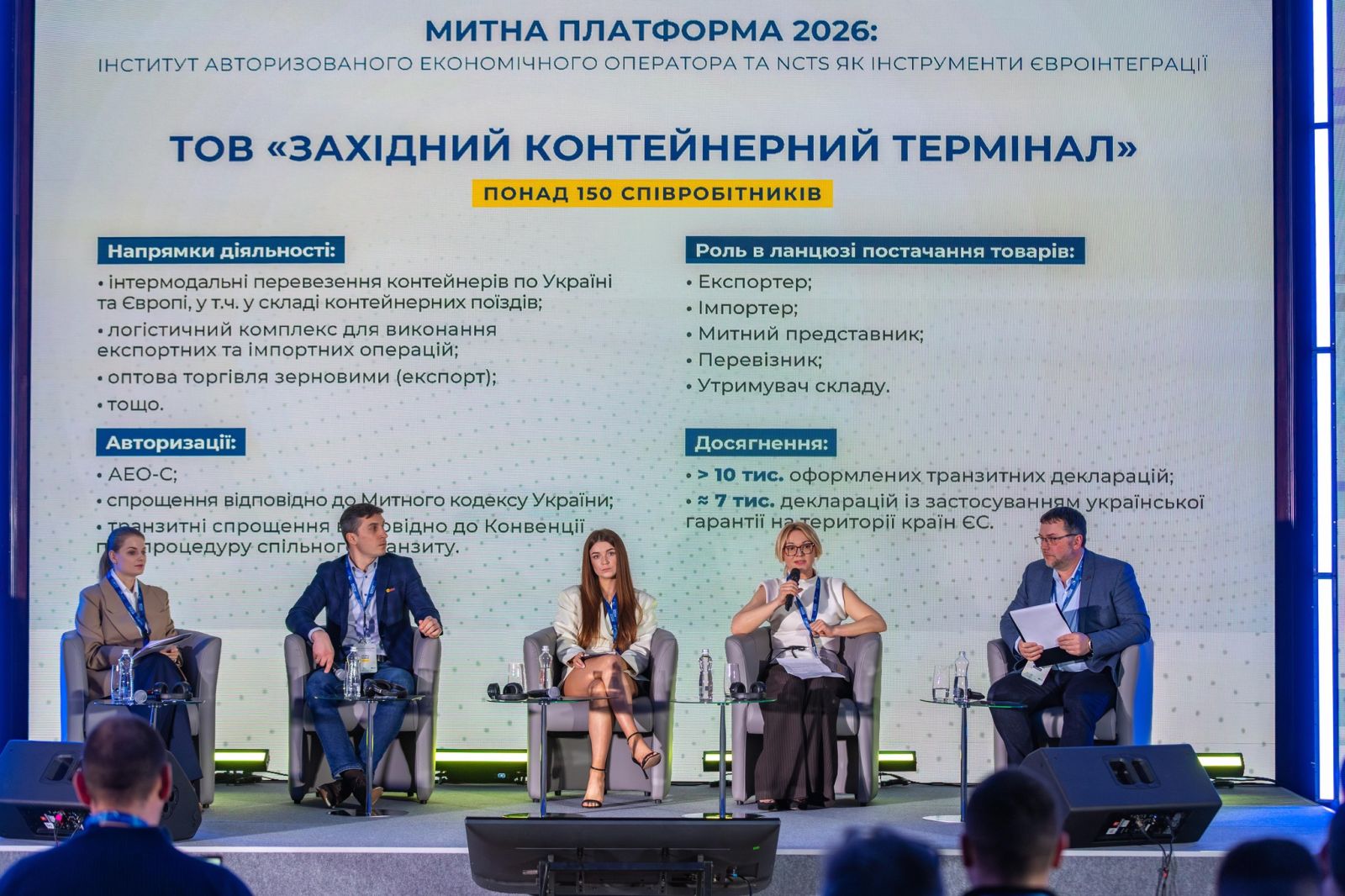
Representatives of Ukrainian public authorities, EU institutions, international expert programmes, including EU4PFM, and business communities took part in the panel discussions, sharing their experience in leveraging European cooperation instruments between business and customs – the “customs visa-free regime” (NCTS), the AEO institution and other authorisations.
Participants emphasised the importance of timely development of secondary legislation, further development of customs IT systems, and awareness-raising and preparation of businesses for upcoming changes in customs legislation.
It is important to note that entrepreneurs, business representatives and the public also had the opportunity to join the event online and pose questions to the speakers.
In closing, International Key Expert on Customs at EU4PFM Vytenis Ališauskas summarized that the role of European customs is evolving—from merely collecting duties to facilitating legitimate trade and ensuring security. He emphasised that Ukraine’s implementation of paperless processes and IT systems aligned with EU standards will ensure the speed and transparency of customs procedures required for accession to the EU Customs Union.
The Customs Platform is a professional discussion platform that brings together representatives of public authorities, business and international partners to discuss key issues of customs policy development and Ukraine’s integration into the EU customs area. The first Customs Platform took place in 2022 and was dedicated to the launch of the “customs visa-free regime” (NCTS) for businesses in Ukraine.