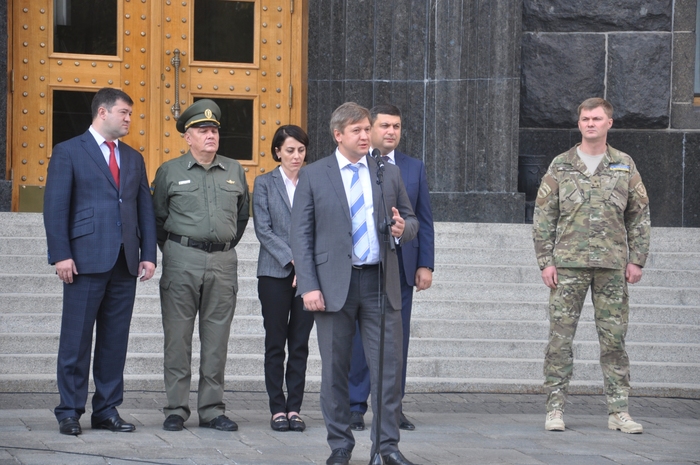
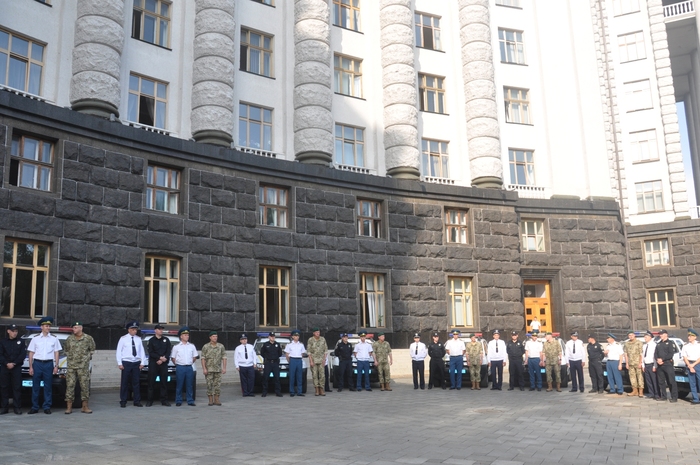
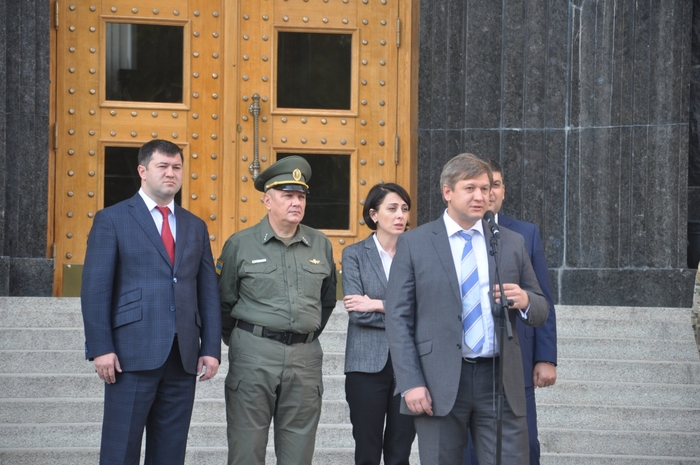
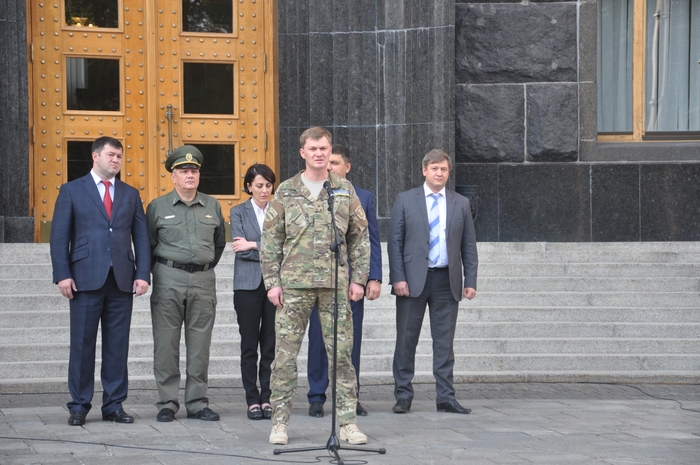
Mobile groups in charge for preventing and detecting violations of customs regulations have started their operation today
-
About Ministry
- Recruitment
-
Accountable agencies
-
State Enterprises and Institutions Belonging to the Sphere of Management of the Ministry
- State enterprise "Management for the operation of the property complex"
- SERVICE AND PUBLISHING CENTR
- Central Treasury sample control enterprise
- Eastern state-owned enterprise of sampling control
- Western state-owned enterprise screening control
- Southern state enterprise of sampling control
- Dnipropetrovsk state-owned enterprise of sampling control
- State enterprise Kyiv offset factory
- State Service for Financial Monitoring
- State Treasury
- The State Audit Service of Ukraine
- State Tax Service of Ukraine
- State Customs Service of Ukraine
- Personnel Audit Procedures of State Customs Service
- State Tax University
-
State Enterprises and Institutions Belonging to the Sphere of Management of the Ministry
- Minfin Panel
-
Policy Issues
- Budget policy
- Tax Policy
-
Customs Policy
-
Integration of customs legislation into EU law
- Direct and indirect customs representation: possible scenarios for declaring goods and the role of a customs broker
- Customs representative and customs holder: who submits and signs documents
- Confirmation of the reliability of credentials for obtaining authorizations
- Authorization to carry out customs brokerage activities
- Integration of customs IT systems to MASP-C
-
Integration of customs legislation into EU law
-
Accounting and Auditing
-
Accounting
-
Introduction of International Financial Reporting Standards
- Translation of International Financial Reporting Standards 2025
- Translation of international financial reporting standards of 2024
- Translation of international financial reporting standards of 2023
- Archive of translations
- Taxonomy
- Translation of technical publications
- General Clarifications (filled in after the preparation of the relevant letters of explanation)
- Accounting in Private Sector
- Accounting in the Public Sector
- Methodological Accounting Council under the Ministry of Finance of Ukraine (download a short description)
- IFRS Council under the Ministry of Finance of Ukraine (download a short description)
-
Introduction of International Financial Reporting Standards
- Auditing
- Sustainability reporting
-
Accounting
-
Debt policy
- Overview
- Debt News
- Debt Statistics
- Domestic Bonds
- Primary Dealers
- Eurobonds
- Credit Rating
- Investor Relations
- DMO Awards
- Anti-money laundering policy (AML)
- Financial Policy
- National revenue strategy
-
International Cooperation
-
Partners
- EU
- International Monetary Fund
-
Cooperation in Attracting Financing from the International Financial Institutions
- Development Bank of the Council of Europe
- Procedure for attracting funds of International Financial Institutions
- World Bank
- EBRD
- EIB
- Deutsche Gesellschaft für Internationale Zusammenarbeit (GIZ) GmbH
- KFW
- Register of Joint IFIs Projects at the Stage of Preparation and Implementation (information)
- International Technical Assistance (within the competence of the Ministry of Finance)
- Monitoring of international technical assistance projects
- Cooperation with the Development Partners
- Ukraine Donor Platform
-
Partners
- International Tax Relations
- Development of Public Internal Financial Control (PIFC)
-
Public investment management
- Regulatory documents
- Implementation of the roadmap for reforming the management of public investments
- Interdepartmental Commission on the Distribution of Public Investments
- Unified portfolio of public investment projects (list of priority public investment projects)
- Interdepartmental working group on reforming the public investment management system
- Reference information
-
Other Areas of Public Policy
- Internal Audit
- Audit Committee of the Ministry of Finance of Ukraine
- Scientific and scientific and technical activity
- Reform Support Team at the Ministry of Finance of Ukraine
- Verification of State Social Payments
-
Fiscal Risks Managament
- Clarifications
- Legislation on Fiscal Risks Management
- List of Economic Entities with which Major Fiscal Risks May Be Related
- Reports
- List of business entities to which the Ministry of Finance approves proposals for individual financial indicators for the planning period, as well as proposals for maximum thresholds for the volume of capital investments
- Operations with precious stones and metals
- Licensing
- Public Finance Management Strategy (PFMS)
- Strategic Plan
-
Key Spending Unit - Ministry of Finance
- Budget Requests
- Passports of Budget Programs
- Evaluation of the Effectiveness of Budget Programs
- Procurement Reports
- Reports on the implementation of public investment projects
- Budget Information
- Information on the effectiveness of the use of public funds
- The structure and volume of budget funds under budget programs
- Cash Management
- Programs
-
Legislation
-
Regulatory Activity
- Regulatory Performance Tracking Reports 2026
- Activity plan of the Ministry of Finance of Ukraine for the preparation of draft regulatory acts in 2026.
- Schedule of measures in 2026 to track the effectiveness of regulatory acts of the Ministry of Finance of Ukraine
- Reports on tracking the effectiveness of regulatory acts in 2025.
- Activity plan of the Ministry of Finance of Ukraine for project preparation regulatory acts in 2025
- Plan-schedule of implementation of measures in 2025 regarding performance tracking regulatory acts of the Ministry of Finance of Ukraine
- reports_on_the_effectiveness_of_regulatory_acts_2024
- The activity plan for the preparation of the regulatory acts draft 2024
- Schedule of measures to monitor the effectiveness of regulatory acts 2024
- reports_on_the_effectiveness_of_regulatory_acts_2023
- The activity plan for the preparation of the regulatory acts draft 2022
- Schedule of measures to monitor the effectiveness of regulatory acts 2023
- Reports on the effectiveness of regulatory acts 2022
- The activity plan for the preparation of the regulatory acts draft 2022
- Schedule of measures to monitor the effectiveness of regulatory acts 2022
- Reports on the effectiveness of regulatory acts 2020
- The activity plan for the preparation of the regulatory acts draft 2021
- Schedule of measures to monitor the effectiveness of regulatory acts 2021
- Reports on the effectiveness of regulatory acts 2020
- The activity plan for the preparation of the regulatory acts draft 2020
- Schedule of measures to monitor the effectiveness of regulatory acts 2020
- Reports on the effectiveness of regulatory acts 2019
- The activity plan for the preparation of the regulatory acts draft 2019
- Schedule of measures to monitor the effectiveness of regulatory acts 2019
- Reports on the effectiveness of regulatory acts 2018
- The activity plan for the preparation of the regulatory acts draft 2018
- Schedule of measures to monitor the effectiveness of regulatory acts 2018
- Reports on the effectiveness of regulatory acts 2017
- The activity plan for the preparation of the regulatory acts draft 2017
- Schedule of measures to monitor the effectiveness of regulatory acts 2017
- Reports on the effectiveness of regulatory acts 2016
- The activity plan for the preparation of the regulatory acts draft 2016
- Schedule of measures to monitor the effectiveness of regulatory acts 2016
- Reports on the effectiveness of regulatory acts 2015
- The activity plan for the preparation of the regulatory acts draft 2015
-
Draft Regulatory Acts Discussion
- Draft regulatory acts for discussion in 2026
- Draft regulatory acts for discussion in 2025.
- Regulatory acts draft for discussion 2024
- Regulatory acts draft for discussion 2023
- Regulatory acts draft for discussion 2022
- Regulatory acts draft for discussion 2021
- Regulatory acts draft for discussion 2020
- Regulatory acts draft for discussion 2019
- Regulatory acts draft for discussion 2018
- Regulatory acts draft for discussion 2017
- Regulatory acts draft for discussion 2016
- Regulatory acts draft for discussion 2015
-
Draft Legislation
- Draft regulatory legal acts in 2026
- Draft normative legal acts in 2025.
- Legal acts drafts 2024
- Legal acts drafts 2023
- Legal acts drafts 2022
- Legal acts drafts 2021
- Legal acts drafts 2020
- Legal acts drafts 2019
- Legal acts drafts 2018
- Legal acts drafts 2017
- Legal acts drafts 2016
- Legal acts drafts 2015
-
Regulatory Activity
-
Data
- Cooperation with Civil Society
- Press Center
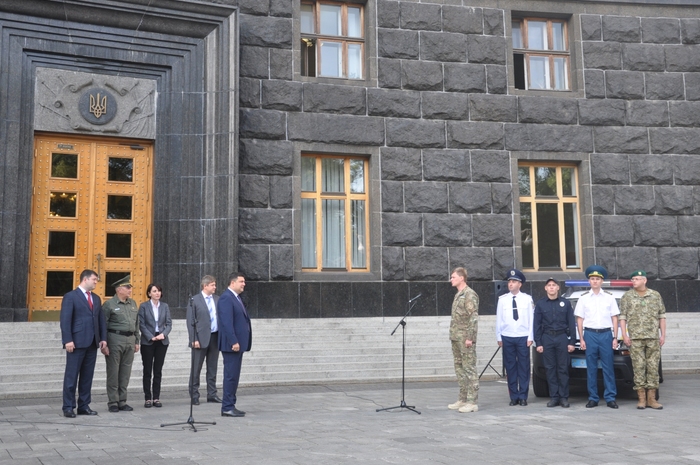
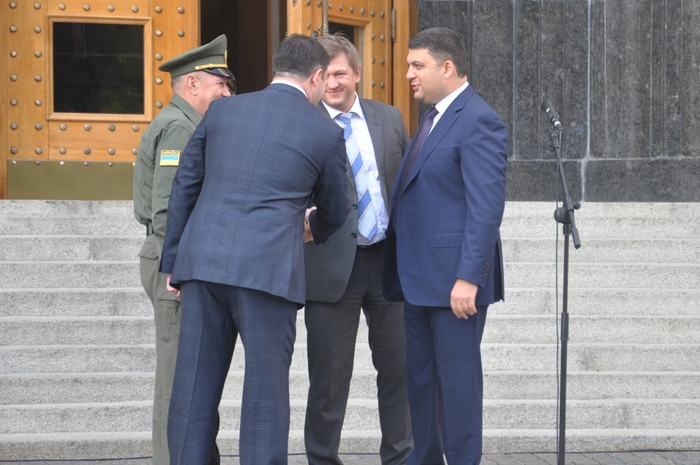
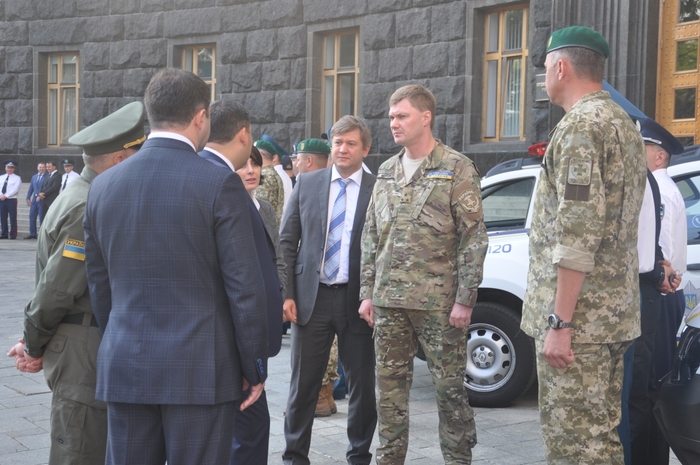
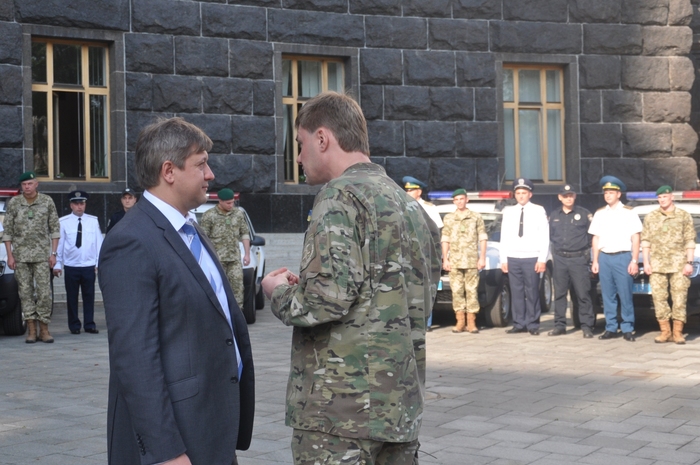
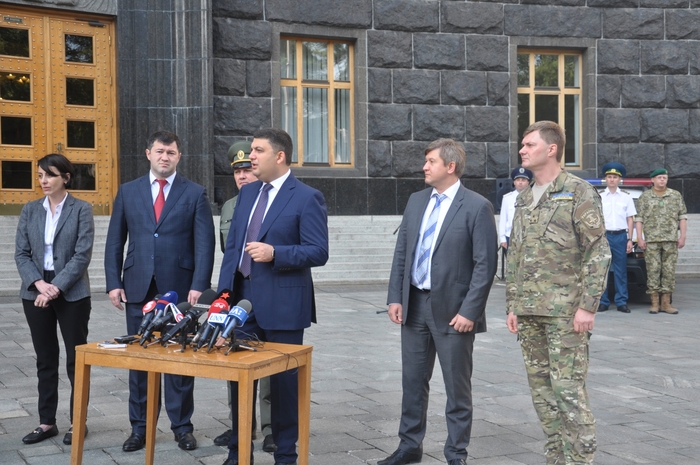
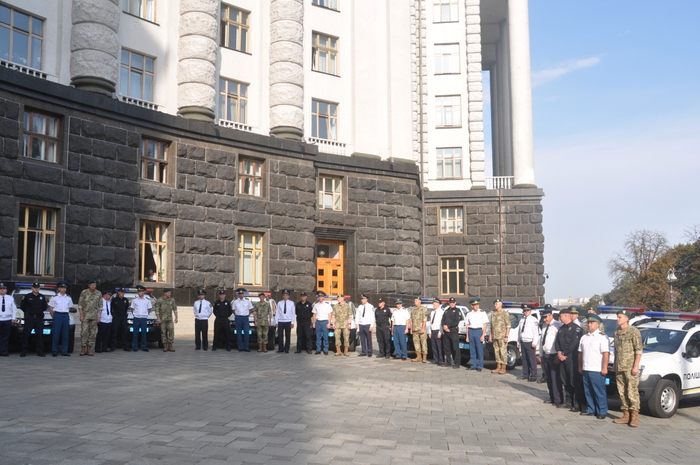
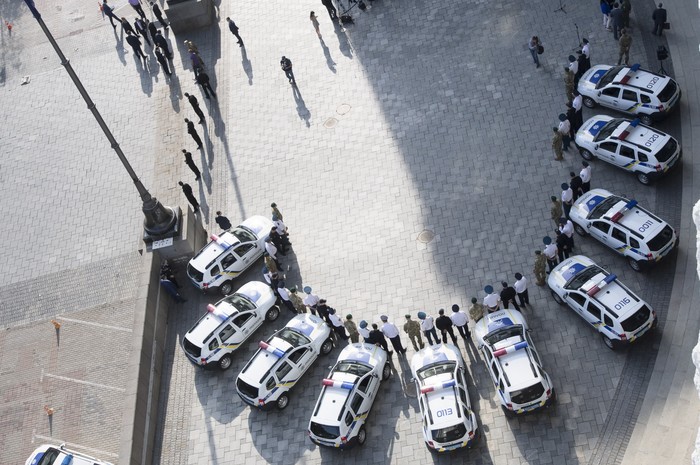
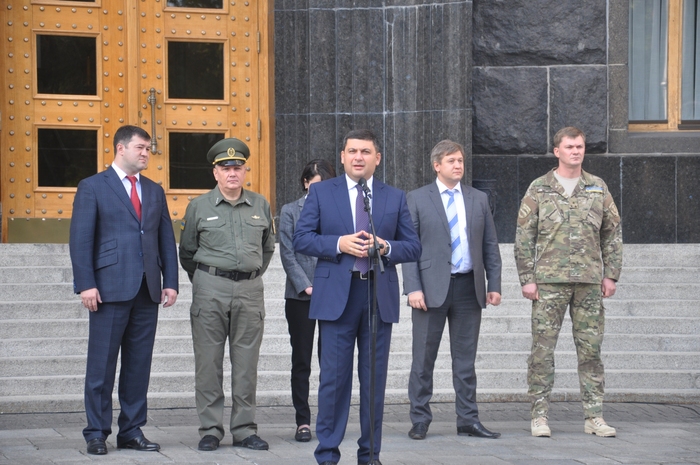
On September 5, Prime Minister Volodymyr Groysman and Minister of Finance Oleksandr Danyliuk started the operation of mobile groups for preventing and detecting violations of customs regulations. This step is a part of the comprehensive reform at the customs which is being jointly implemented by the Prime Minister and the Minister of Finance. The first 10 mobile groups have departed to their assigned locations in Kyiv, Lviv, Odessa, Transcarpathian and Volyn regions. 10 more groups will start their operations in the border regions in two weeks.
What was the problem?
The Ministry of Finance holds regular meetings with business and experts striving to elaborate optimal solutions for the implementation of reforms. During these meetings companies most often complain about corruption and smuggling operations at the customs, long waiting lines, complicated customs procedures and their lack of transparency, biased approach in customs clearance etc.
Solution
According to the order of the Prime Minister, the Minister of Finance founded a Target Center for the Prevention of Corruption at the Customs and 20 joint mobile groups to tackle corruption at the customs.
How is it supposed to work?
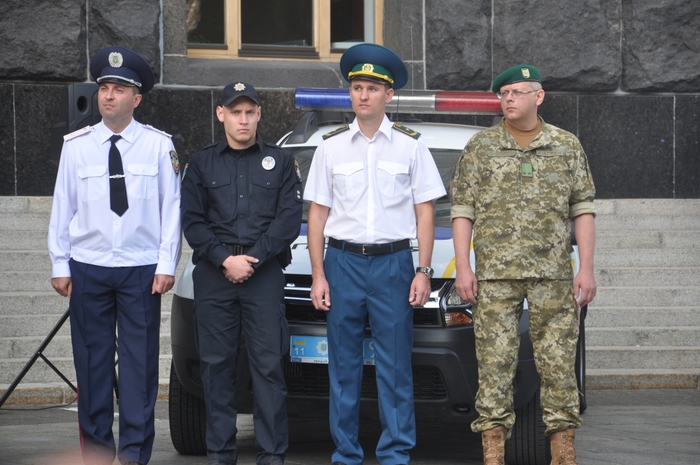
The Center which was opened two weeks ago will be responsible for analysis and investigation and should detect risk operations at the customs. Afterwards, it shall instruct the respective mobile group to visit the respective customs office, to check the situation and to react appropriately to any violations detected. The mobile groups, each of them consisting of 4 persons (two employees representing the State Fiscal Service and one employee representing the Border Service and the National Police respectively) will be operating 24/7 on the entire territory of Ukraine. They are authorized to enter all customs control zones and clearance points, to stop vehicles for control, to decide on customs examination / re-examination etc.
Also, the mobile groups should arrange full photo- and video-coverage of all their activities. It shall help prevent misuse of office and properly control the work of the mobile groups.
The employees working in the mobile groups are properly motivated, since their salary starts from 30 thousand hryvnas, which is the tenfold of the salary of a low-rank customs officer. The leader of a mobile group receives a salary of 40 thousand hryvnas, the salary of the Head of the Target Center is 50 thousand hryvnas. Such a remuneration has made it possible to hire proper people and to reduce the risk of corruption, hence diligent business has nothing to be afraid of.
What should it deliver?
In the opening ceremony for the launch of the mobile groups the Minister of Finance noted that the mobile groups have a task which is pretty simple and pretty complicated – reduce corruption and smuggling violations at the customs. “This is of utter importance not only for business, but also for common citizens, since the customs accounts for almost 50% of all revenues collected by the State Fiscal Service. The increase of these revenues means an additional resource which can be used to increase salaries and social welfare payments”, O. Danyliuk pointed out.
What’s next?
The Ministry of Finance wants to be sure that the mobile groups will be operating in an effective and transparent way; public control and feedback are the best tools to ensure this. Please sebd your comments and proposals to infomf@minfin.gov.ua
The next steps will refer to the further implementation of the already adopted decisions meant to improve the customs operations:
- Photo- and video-coverage of customs examinations. The result: more comprehensive control over the customs officers and reduction of corruption;
- Automatic distribution of customs declarations for clearance. The result: customs officers won’t be able to manipulate the documents and choose what goods they prefer to handle. This shall significantly reduce corruption;
- Single-Window Procedure started. The result: customs procedures have been made significantly simpler and faster, corruption has been reduced;
- It is planned to found a Center for Pricing Information at the Ministry of Finance and a Monitoring Center to control the customs value.