The Ministry of Finance team at the Spring Meetings of the International Monetary Fund and the World Bank: Budget support, private sector investment, and recovery
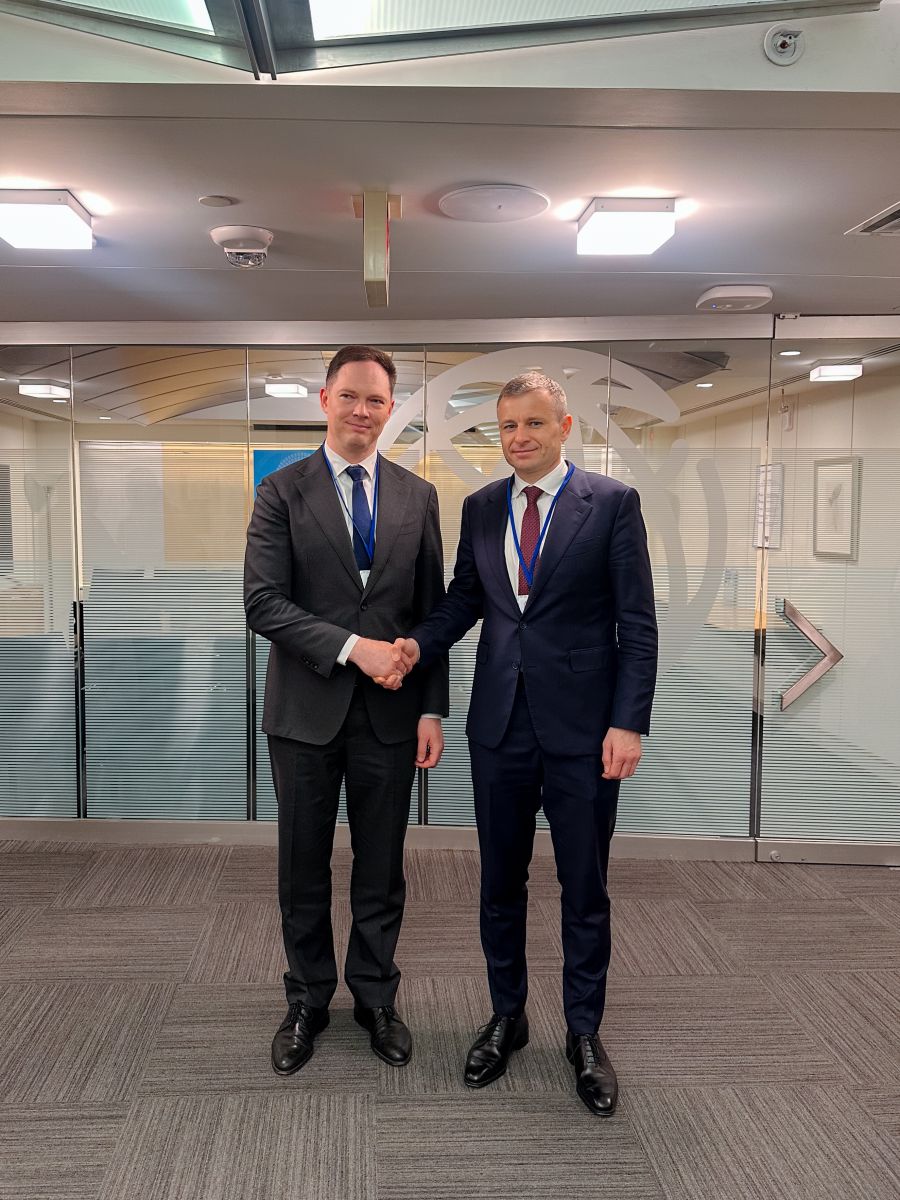
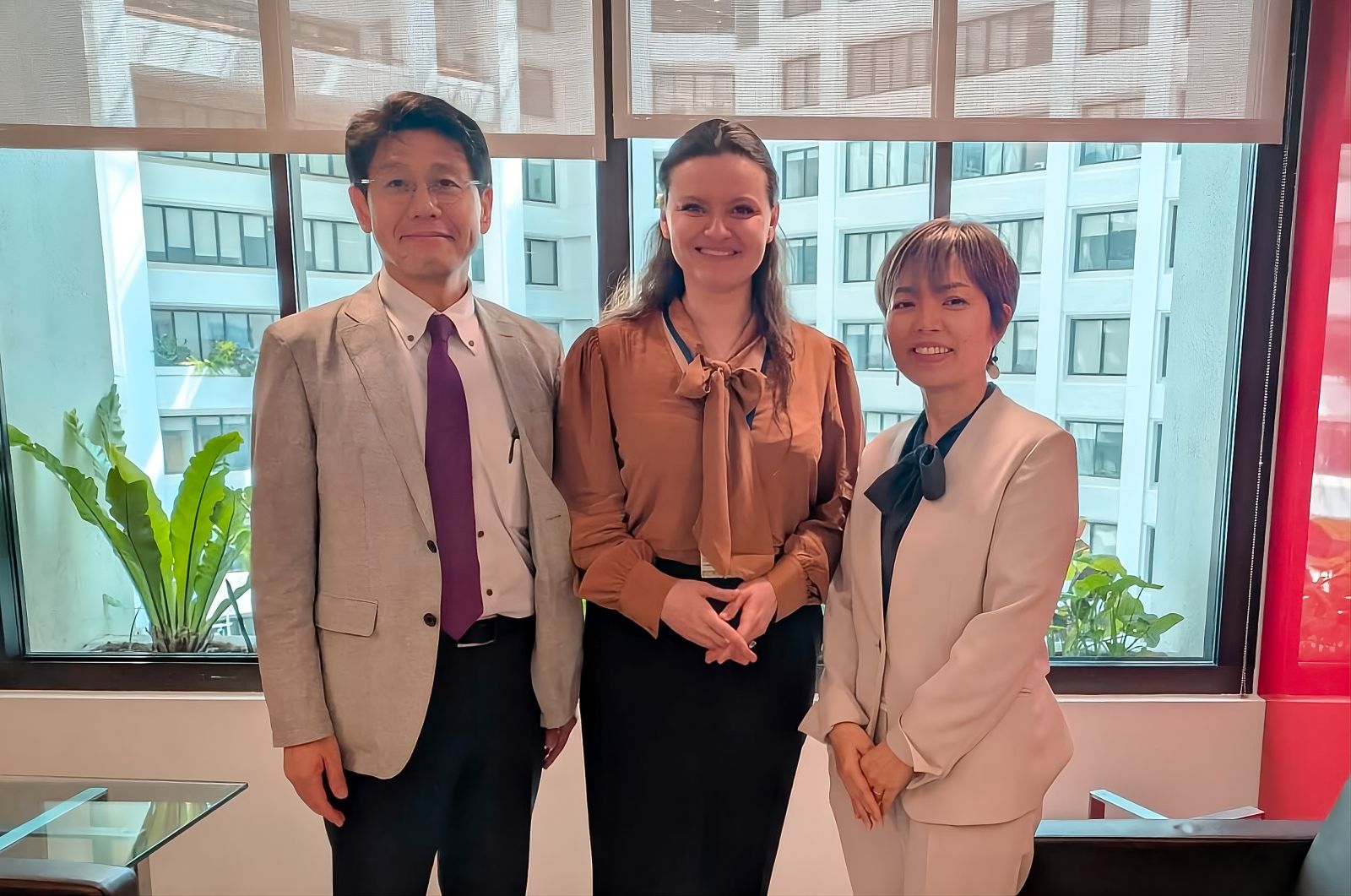
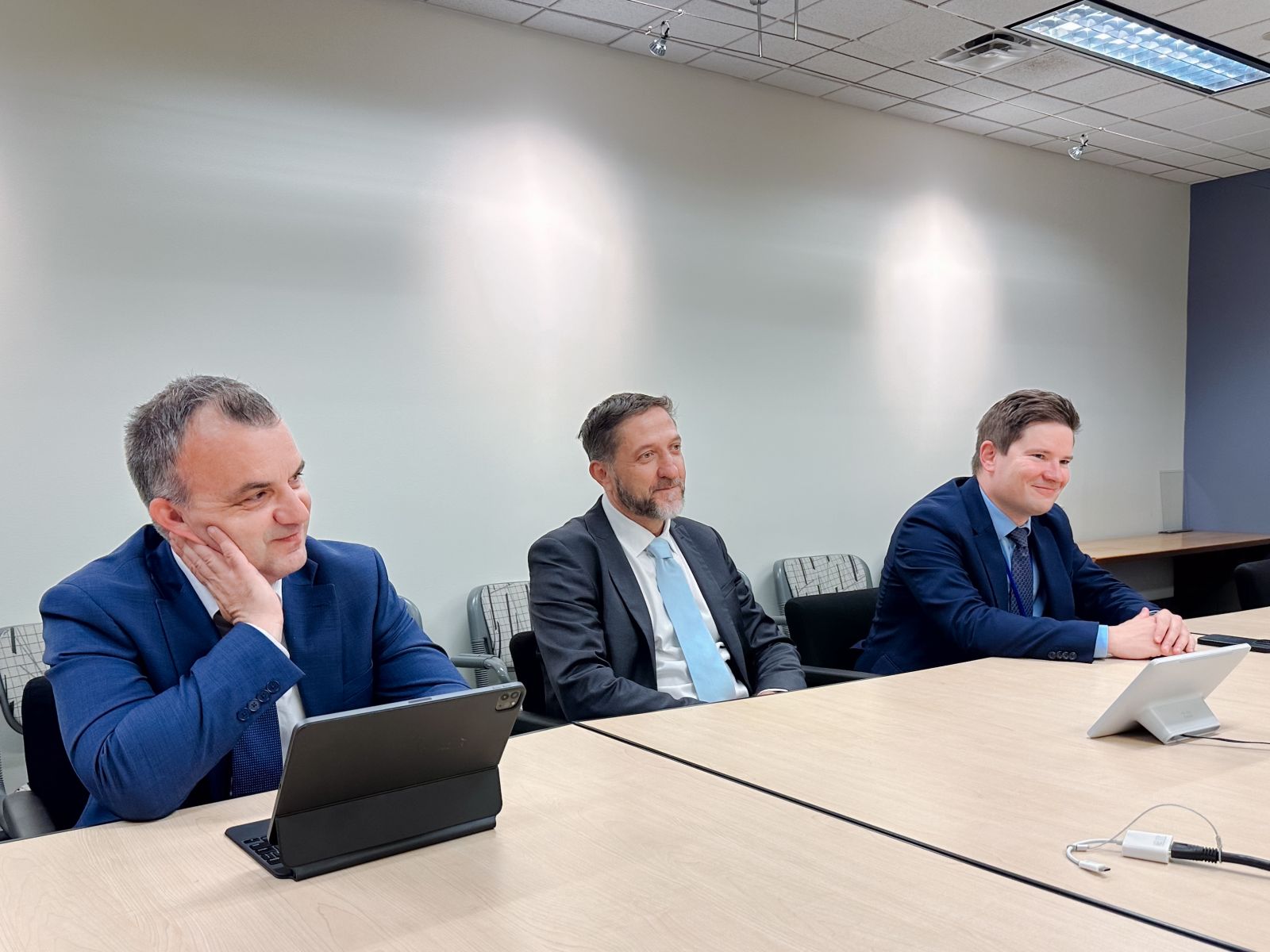
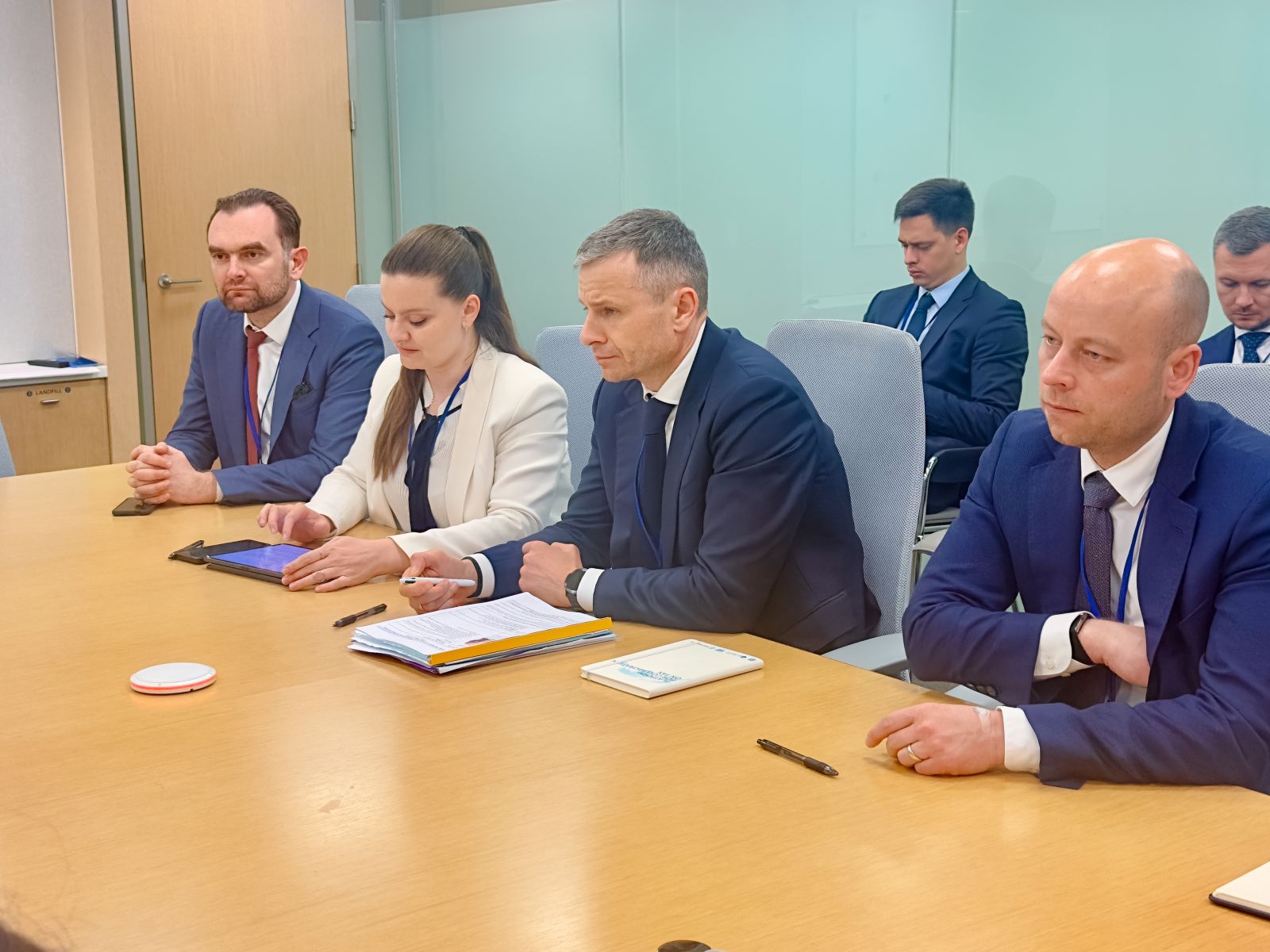
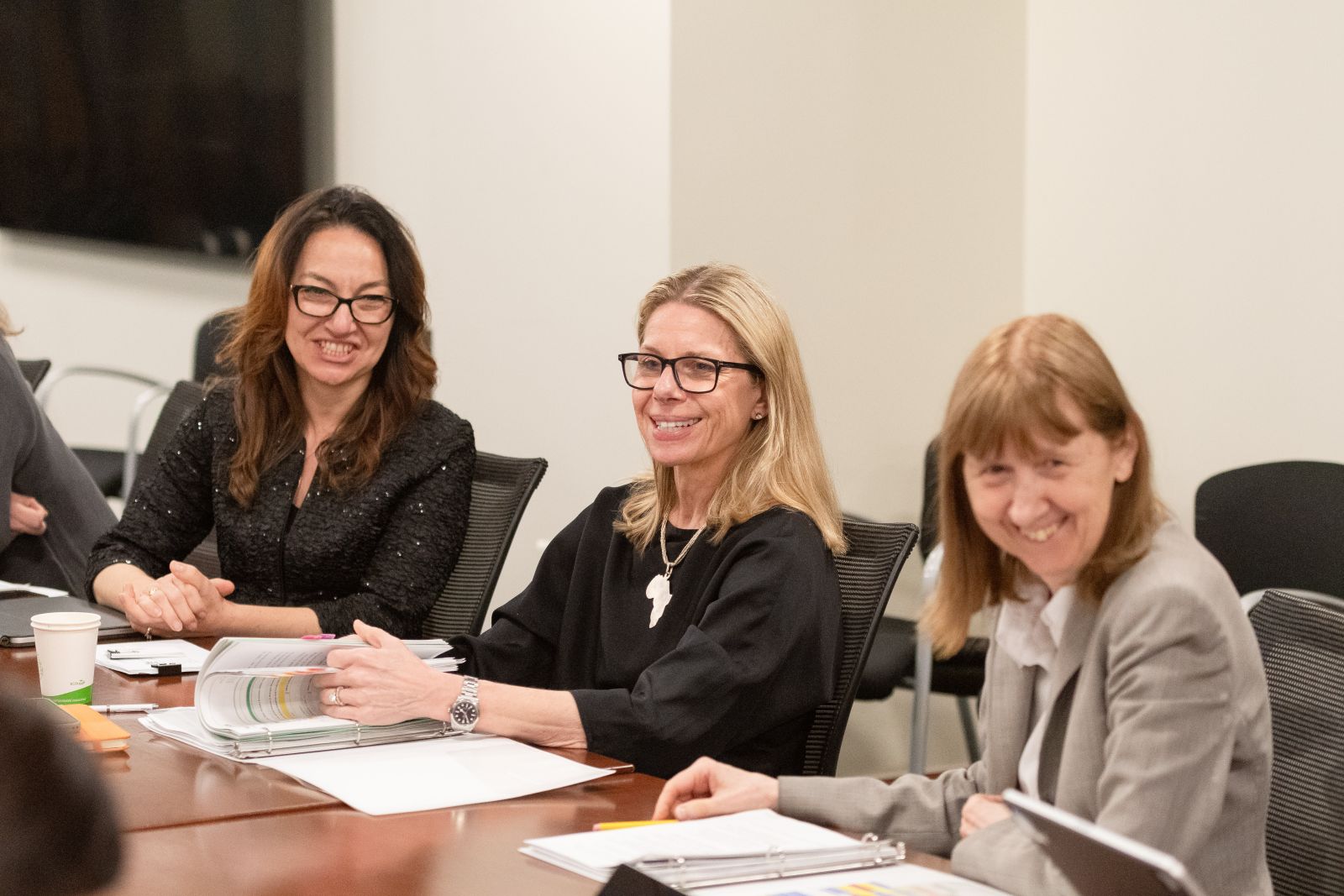
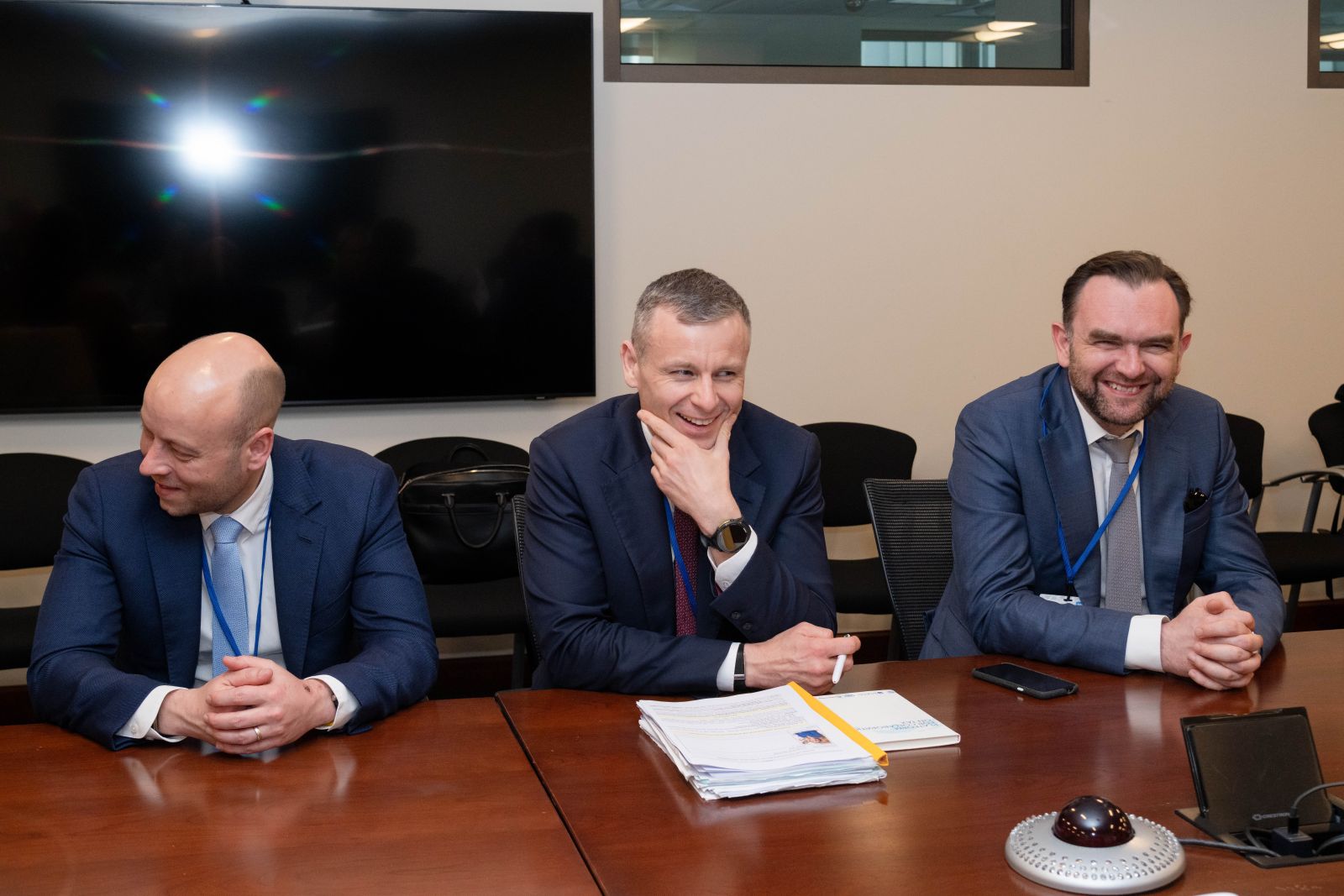
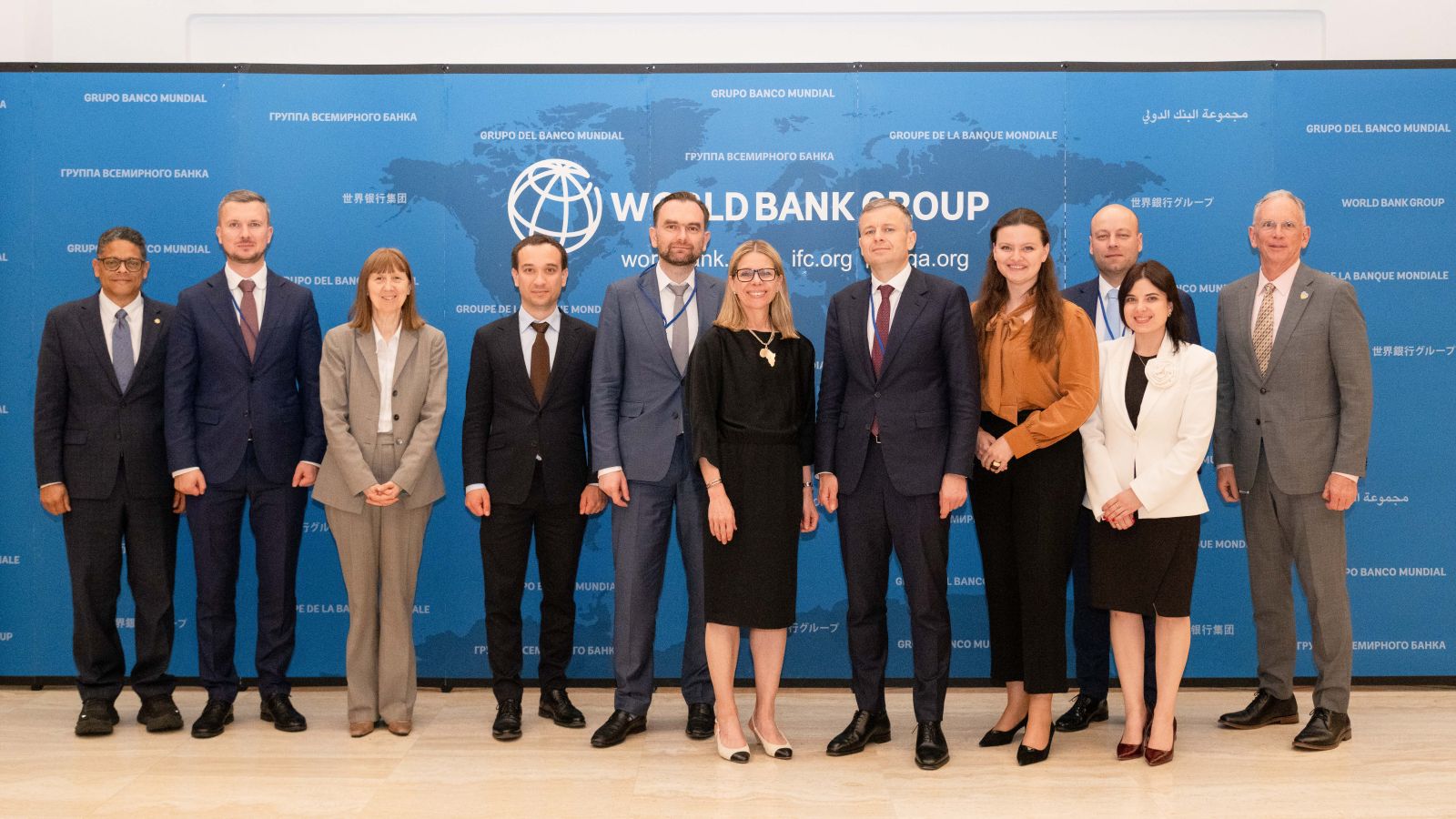
On the final day of the Spring Meetings of the International Monetary Fund and the World Bank, the Ministry of Finance team led by Finance Minister Sergii Marchenko held meetings with the leadership of the World Bank, the International Finance Corporation (IFC), the Japan International Cooperation Agency (JICA), and finance ministers of EU countries.
From the Ministry of Finance, Deputy Minister Olga Zykova, Deputy Minister for European Integration Yuriy Draganchuk, and Government Commissioner for Public Debt Management Yuriy Butsa also participated.
- World Bank: Stable financing and reform progress
The key topic of discussions with Managing Director of Operations at the World Bank Anna Bjerde was ensuring stable and predictable financing for Ukraine in 2026–2027 amid the ongoing full-scale war.
The parties highlighted the World Bank’s key role in supporting Ukraine since the start of the full-scale invasion. Since 2022, Ukraine has received over USD 71 billion in financial assistance, more than USD 41 billion of which was provided as grants. Overall, more than USD 89 billion has been mobilized through World Bank instruments to support Ukraine between 2022–2026.
The Ministry of Finance expressed gratitude for the Bank’s efforts to mobilize nearly USD 5.5 billion in additional partner financing for budget support through various mechanisms. In particular, Ukraine recently secured USD 200 million in grant funding from Norway. The State Budget is also expected to receive EUR 236 million in guarantees from Sweden. During the year, Ukraine expects to attract USD 4 billion in new guarantees from Japan and around USD 1 billion in guarantees from Canada.
The Ukrainian side presented funding priorities for 2026–2027 and emphasized the need to maintain fast and effective budget support instruments that enable the government to respond quickly to wartime needs, as well as ensure continuity of ongoing projects critical for macroeconomic stability, including the PEACE project and the F.O.R.T.I.S. Ukraine FIF instrument.
The parties also discussed reform progress under the Development Policy Operation (DPO). Three key draft laws required for the approval and signing of the next DPO operation are currently under consideration in Parliament.
- International Finance Corporation: Investment in the private sector and recovery
During a meeting with the Vice President for Europe, Latin America and the Caribbean at the International Finance Corporation Alfonso Garcia Mora the parties discussed further support for the private sector and attracting investment. Topics included expanding risk-sharing instruments, developing public-private partnerships, privatization of state assets, support for Ukrainian banks, and launching a Viability Gap Funding mechanism of about EUR 500 million. The new instrument will co-finance up to 50% of capital expenditures in priority infrastructure sectors.
IFC confirmed its readiness to continue investing in key sectors of the economy and supporting post-war recovery and EU integration, with the private sector at the center of the process. Overall, IFC has mobilized USD 2.8 billion to support Ukrainian businesses, including more than USD 1.5 billion in IFC’s own financing and over USD 1 billion mobilized from partners. Cooperation focuses on SMEs, agriculture, infrastructure, and energy, including renewable energy projects to ensure sustainable power supply.
- Bilateral meetings with EU finance ministers: strengthening partner budget support
The Ministry of Finance team also held bilateral meetings with European finance ministers, including the Minister of Finance of Slovenia Klemen Boštjančič, the Minister of Finance of Lithuania Kristupas Vaitiekūnas, the Deputy Prime Minister and Minister of Finance of Belgium Jan Jambon and the Minister of Finance of the Netherlands Eelco Heinen.
The parties discussed the state of Ukraine’s financial system and the need for external financing to maintain macroeconomic stability during the war. Since February 2022, international partners have provided Ukraine with USD 174.4 billion in direct budget support. The largest donor is the European Union, which has provided more than EUR 71 billion through ERA loans, the Ukraine Facility, and macro-financial assistance programs.
The Minister of Finance emphasized that Ukraine’s need for international assistance in 2026 is around USD 52 billion and stressed the importance of finalizing the decision on EUR 90 billion in EU financing as soon as possible, which should become a key pillar of support over the next two years.
The parties also discussed further reform progress necessary for stable financing under international programs and Ukraine’s EU integration. The Minister informed partners about recently adopted laws on digitalization of enforcement proceedings and integration into the EU energy market, which are conditions for receiving the next tranche under the Ukraine Facility in the near future.
- JICA: Strengthening cooperation
Deputy Minister of Finance Olga Zykova discussed further cooperation and budget support with Director General of the Middle East and Europe Department at the Japan International Cooperation Agency (JICA) Kotaro Tanaka. The agency continues to provide Ukraine with technical assistance, concessional financing, and grants.
Since 2023, Japan has provided grant assistance exceeding JPY 106.3 billion (approximately USD 737.85 million) under the Emergency Recovery Program implemented by JICA. The program supports communities and public services with equipment and solutions in energy, transport, water supply and sanitation, humanitarian demining, healthcare, education, and more.
In late February 2026, Ukraine and Japan signed another grant agreement under the Emergency Recovery Program worth JPY 6.2 billion (about USD 39.7 million) to accelerate recovery and address the consequences of russia’s armed aggression. The Ministry of Finance also thanked JICA for the recently approved JPY 4 billion (nearly USD 26 million) agreement for humanitarian demining. The parties discussed coordination of recovery resources, particularly strengthening Ukraine’s energy capacity and developing partnerships with Japanese companies. JICA confirmed its readiness to further expand support for Ukraine.